Opus Plasma Acne Scars: What Results to Expect
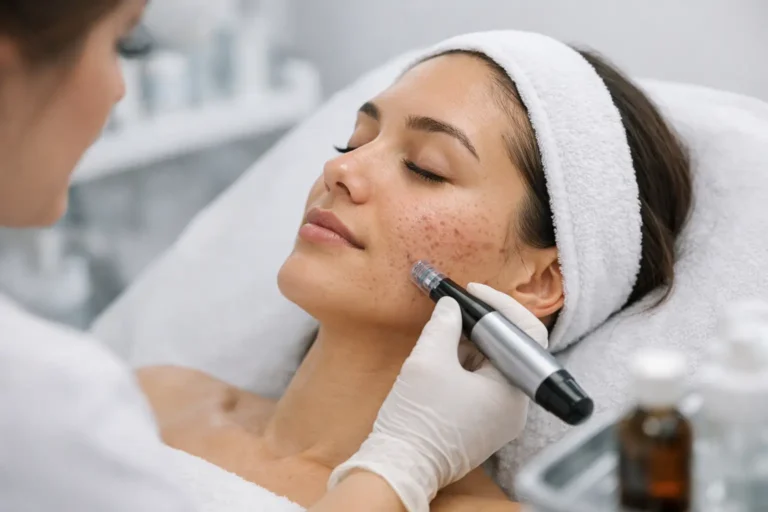
Acne may be gone, but the uneven texture it leaves behind can still catch the light, affect how makeup sits, and make skin feel like it never fully moved on. Opus Plasma acne scars treatment is designed for that next stage: improving the appearance of depressed scars, rough texture, enlarged-looking pores, and uneven tone with a modern fractional skin resurfacing approach.
For many patients, the appeal is not simply smoother-looking skin. It is choosing a medically guided treatment that can be tailored to the depth of scarring, the condition of the skin, and the amount of downtime that fits real life. Results are gradual, and the right plan matters as much as the device itself.
How Opus Plasma Helps Improve Acne Scars
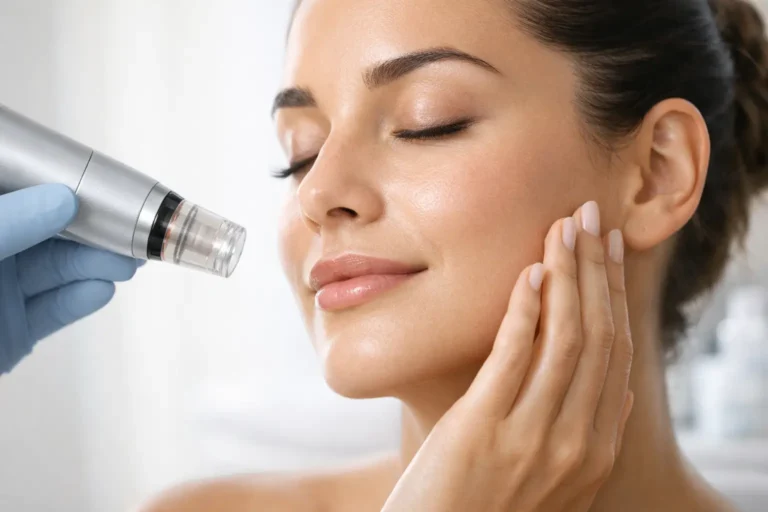
Opus Plasma uses plasma energy delivered through fractional technology to create controlled micro-injuries in the skin. Those tiny treatment zones trigger the skin’s natural repair process, encouraging fresh collagen and elastin production over time. Because only a fraction of the skin is treated at once, the surrounding skin supports healing while the targeted areas begin remodeling.
This process is especially relevant for atrophic acne scars, which are indented scars caused by the loss of collagen after inflammatory acne. As collagen rebuilds, shallow rolling scars and some boxcar scars may look softer and less noticeable. Skin texture can appear more refined, and the transition between scarred and unscarred skin may become smoother.
Opus Plasma is not a filler that immediately lifts an indentation, and it does not erase scars in one appointment. Think of it as a collagen-building treatment. The improvements develop as the skin repairs itself, which is why patience and a properly spaced treatment series are part of the process.
Which Acne Scars Respond Best?
The best candidates are usually patients with mild to moderate textural scarring who want meaningful improvement without committing to more aggressive resurfacing downtime. Rolling scars, shallow boxcar scars, overall roughness, and pore concerns can respond well to a customized Opus Plasma plan.
Deep, narrow ice-pick scars often need a different or combined approach. In those cases, a provider may discuss targeted scar treatments, such as chemical reconstruction techniques, or determine whether another resurfacing strategy is more appropriate. Very tethered scars may also require subcision before or alongside collagen-stimulating resurfacing to release the fibrous bands pulling the skin downward.
Active breakouts should be controlled before treating acne scars whenever possible. Treating inflamed acne can increase irritation and make it harder to assess what scarring remains once the acne settles. A consultation should also cover recent isotretinoin use, a history of keloid scarring, melasma, cold sores, and any tendency toward post-inflammatory hyperpigmentation.
What an Opus Plasma Acne Scars Treatment Feels Like
A topical numbing cream is typically applied before treatment to support comfort. During the appointment, most patients describe a quick, warm, prickling sensation as the handpiece moves across the skin. Settings can be adjusted based on the treatment area, scar depth, skin sensitivity, and desired recovery time.
The face is often treated as a whole rather than only stamping individual scars. That matters because acne scars rarely exist in isolation. Treating the broader area can help improve overall texture and tone, so the skin looks more balanced instead of drawing attention to the untreated areas around the scars.
A full-face appointment is generally efficient, although timing varies based on the treatment plan and whether additional areas are included. Your provider will give you preparation instructions that may include pausing certain active skincare products before treatment. Follow those instructions closely, especially if you use retinol, exfoliating acids, or prescription acne products.
Recovery: What to Expect After Treatment
Immediately after Opus Plasma, skin often looks pink to red and feels warm, similar to a sunburn. Mild swelling, tightness, and a sandpaper-like texture can follow. As the skin heals, tiny dark micro-crusts may appear. These are a normal part of the fractional resurfacing response and should not be picked or scrubbed away.
Most patients can expect several days of visible recovery, though redness and dryness can last longer depending on the settings used and individual skin response. Some people prefer to schedule treatment before a quieter week, while others are comfortable returning to regular activities quickly with diligent sun protection and gentle skincare. Your exact downtime is one of the key trade-offs to discuss during consultation: higher-intensity settings may be appropriate for more significant texture concerns, but they can come with a more noticeable recovery period.
Aftercare generally focuses on keeping the skin calm and protected. Use the post-treatment products recommended by your provider, avoid heat-heavy workouts and hot environments initially if instructed, and do not introduce active ingredients too soon. Daily broad-spectrum sunscreen is non-negotiable, particularly in sunny Orlando. UV exposure can prolong redness and raise the risk of unwanted pigmentation after any resurfacing treatment.
How Many Sessions Are Needed for Acne Scar Results?
Most patients benefit from a series rather than a single session. Three treatments, typically spaced several weeks apart, are a common starting point, but the right number depends on scar type, depth, skin goals, and the energy level used. A patient with mild texture concerns may be satisfied with a more conservative series, while someone with long-standing, deeper acne scarring may need additional treatments or a combination plan.
Early changes may include smoother-feeling skin and a brighter surface appearance. More meaningful collagen remodeling continues over the following weeks and months. Photos taken in consistent lighting are useful because acne-scar improvement can be subtle from day to day but more apparent when you compare progress over time.
It is also realistic to expect improvement rather than perfection. Acne scars are structural changes in the skin, and no resurfacing procedure can promise flawless texture. The goal is to make scars less visible, soften shadows, and help skin look healthier and more even from normal conversational distance.
Opus Plasma vs. Microneedling for Acne Scars
Both Opus Plasma and microneedling are collagen-induction treatments, but they work differently. Microneedling creates controlled channels with fine needles, while Opus Plasma uses fractional plasma energy to create a resurfacing effect along with collagen stimulation. For some patients, Opus Plasma may be a strong choice when texture, pores, and surface quality are central concerns.
Microneedling can be an excellent option for patients who want a different downtime profile or who are beginning a scar-correction plan. It may also be used strategically with other treatments. The better choice is not universal. Scar pattern, skin tone, budget, comfort preferences, timeline, and the presence of pigmentation concerns all influence the recommendation.
For deeper acne scars, combining treatments is often more effective than relying on one modality alone. That is why an assessment from an experienced aesthetic provider is valuable. A treatment plan should be built around your skin, not around a one-size-fits-all package.
Is Opus Plasma Safe for All Skin Types?
Opus Plasma can be customized for a range of skin types, but safe treatment begins with proper evaluation and conservative, appropriate settings. Patients with deeper skin tones require particular attention to inflammation and pigment risk. A skilled provider will consider your medical history, current skincare routine, prior procedures, and how your skin has responded to treatments in the past.
Do not schedule resurfacing immediately before a beach vacation, major event, or period of prolonged sun exposure. It is better to give your skin the recovery time it deserves. If you are prone to cold sores, tell your provider before treatment so preventive medication can be considered when appropriate.
At LightTouch Med Spa, the consultation is where expectations become specific. You can discuss the type of scars that bother you most, your tolerance for downtime, and whether Opus Plasma should stand alone or be part of a more comprehensive plan.
Clearer skin should not require guessing. The right consultation can help you understand what your scars need, what recovery will realistically look like, and how to pursue smoother, more confident-looking skin on a timeline that works for you.
Read More LightTouch Med Spa Articles