Botox Safety: What a Smart Treatment Plan Requires
A great Botox result should look like you – rested, polished, and naturally expressive. That outcome begins long before the injection itself. Botox safety depends on the product, the injector’s medical judgment, an honest health review, and your willingness to follow the treatment plan before and after your appointment.
Botox Cosmetic is one of the most widely studied aesthetic treatments available. When it is prescribed appropriately and administered by a qualified medical professional, it has a strong safety profile. Still, it is a prescription treatment, not a casual beauty service. Choosing a provider based only on the lowest price or fastest appointment can introduce risks that are avoidable with the right care.
What Botox Does and Why Technique Matters
Botox Cosmetic is a neuromodulator made with onabotulinumtoxinA. In aesthetic treatments, small, precise doses are placed into selected muscles to temporarily soften the movement that creates expression lines. Common treatment areas include forehead lines, frown lines between the brows, and crow’s feet. It may also be used medically for concerns such as excessive sweating, chronic migraines, and jaw tension when appropriate.
The goal is not to “freeze” every facial movement. A thoughtful injector considers muscle strength, facial anatomy, skin quality, natural asymmetry, and how much expression you want to preserve. The same number of units is not right for every face, and a technique that works beautifully for one patient may not be right for another.
This is why injection expertise matters. Placement that is too high, too low, or too close to a neighboring muscle can affect the result. In rare cases, this can contribute to unwanted effects such as a temporary eyelid or brow droop, an uneven expression, or a smile that feels different. These effects are typically temporary, but prevention is always preferable.
Botox Safety Starts With the Right Provider
For cosmetic injectables, credentials and experience should be part of your decision, not an afterthought. Seek a licensed medical practice with qualified injectors who understand facial anatomy, can review your medical history, and have a clear process for follow-up care.
At a reputable med spa, your consultation should feel specific to you. Your provider should ask about previous injectable treatments, medications and supplements, allergies, medical conditions, pregnancy or breastfeeding status, and your treatment goals. They should also explain what Botox can realistically improve and where another treatment may be a better fit.
Be cautious if an appointment feels rushed, if there is no health screening, or if you cannot verify what product is being used. Authentic Botox Cosmetic is supplied and handled through legitimate medical channels. A provider should be transparent about the product, the planned treatment areas, expected results, cost, and what to do if you have concerns afterward.
Price matters, but exceptionally low pricing deserves questions. It can reflect a promotion from a credible practice, but it can also signal diluted, improperly sourced, or counterfeit product. Your face is not the place to gamble on unknown inventory or untrained injection techniques.
Questions Worth Asking at Your Consultation
You do not need to be an injectable expert to make an informed choice. Ask who will perform your treatment, what their training and experience include, and whether they evaluate your facial movement before injecting. You can also ask how many units are recommended, why those areas were selected, and when you should return for a result assessment.
A strong provider welcomes these questions. The best treatment plans are collaborative, especially for first-time patients or anyone correcting a prior treatment that did not meet expectations.
Who Should Postpone or Avoid Botox?
Botox is not right for everyone at every moment. A provider may recommend postponing treatment if you are pregnant, breastfeeding, have an active skin infection or irritation at the injection site, or are feeling unwell. People with certain neurological or neuromuscular conditions need individualized medical guidance before receiving any botulinum toxin product.
Your provider also needs to know about medicines and supplements that may increase bruising or interact with treatment. Do not stop prescribed medications on your own. Instead, bring a complete medication list to your consultation so your medical provider can advise you safely.
If you have had an allergic reaction to a botulinum toxin product or any of its ingredients, tell your provider before treatment. Previous facial surgery, a history of eyelid drooping, or significant facial asymmetry should also be part of the conversation. These factors do not automatically rule out treatment, but they can change the technique, dose, or treatment areas recommended.
What to Expect Before, During, and After Treatment
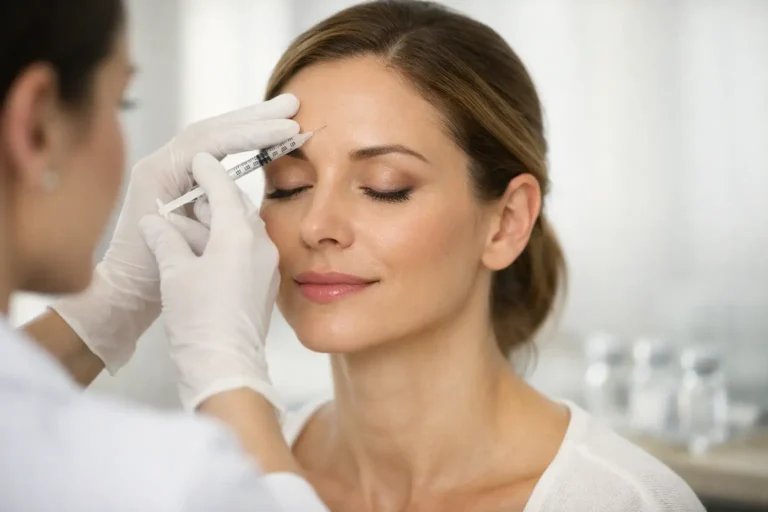
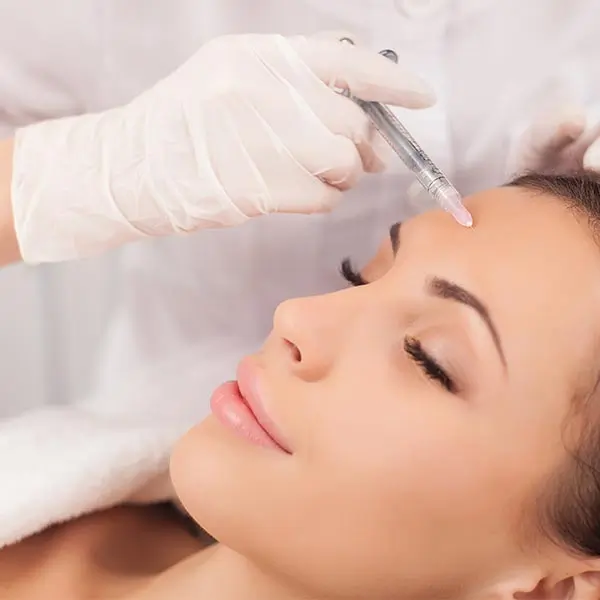
A Botox appointment is typically brief, but the planning behind it should be careful. Before injecting, your provider may photograph your facial expressions, assess your muscle movement, and mark treatment points. The injections are made with a very fine needle. Most patients describe the sensation as quick pinches, and there is generally little to no downtime.
Small bumps, redness, tenderness, swelling, or bruising at the injection sites can occur. These effects are usually mild and resolve quickly. Some patients experience a temporary headache. Your provider can give you individualized aftercare instructions based on your treatment areas and medical history.
In general, avoid rubbing or massaging the treated areas immediately after your appointment unless your provider instructs otherwise. Follow guidance on exercise, makeup application, lying down, and other activities during the first several hours. These recommendations are designed to support proper healing and help keep the treatment where it was intended to work.
Results do not appear instantly. Many patients begin to notice a change within several days, with the full effect becoming more visible around two weeks. Results commonly last about three to four months, although metabolism, dose, muscle activity, and treatment area all play a role. Trying to make results last longer by treating too frequently is not always the best strategy. Your provider can recommend an interval that supports a natural, consistent look.
Knowing Normal Effects From Warning Signs
Most Botox side effects are minor and temporary. Mild redness, swelling, pinpoint bruising, or tenderness at the injection site can be normal. A conservative treatment plan can also make it easier to evaluate your response, particularly if you are new to Botox or want subtle refinement.
Contact your provider promptly if you have a result that concerns you, such as marked asymmetry or eyelid heaviness. They can assess what is happening and guide you on next steps. While serious reactions are uncommon, seek urgent medical attention for symptoms such as trouble breathing, swallowing, or speaking; widespread muscle weakness; vision changes; or signs of a severe allergic reaction.
The point is not to create fear around a well-established treatment. It is to treat every medical procedure with the attention it deserves. Clear communication helps your provider care for you well and gives you confidence throughout the process.
A Conservative Plan Often Creates the Best Look
For many patients, the safest-looking Botox result is also the most refined one. Starting conservatively gives your provider a chance to see how your muscles respond and how you feel about your level of movement. If appropriate, a follow-up can fine-tune the plan. It is much easier to add a small amount than to reverse an overly strong result immediately.
This approach is particularly valuable for forehead treatment. The forehead, brows, and upper eyelids work together, so treating one area without considering the others can affect your expression. An experienced injector plans the face as a whole rather than treating a single line in isolation.
At LightTouch Med Spa, consultations are designed to connect your aesthetic goals with medically guided treatment recommendations. Whether you want to soften early lines, maintain a polished appearance for work and events, or address a functional concern such as sweating or jaw tension, your plan should be personal, measured, and grounded in qualified care.
The right Botox appointment should leave you feeling informed before you feel transformed. Choose medical expertise, authentic product, and a provider who listens closely – then let subtle, confident results speak for themselves.
Read More LightTouch Med Spa Articles