Best Under Eye Treatments for Every Concern
The best under eye treatments are not determined by the most popular product or the latest trend. They depend on what is actually creating the tired look: volume loss, pigment, visible blood vessels, skin laxity, fine lines, or true under-eye bags. A precise diagnosis matters because a treatment that beautifully softens hollows may do very little for puffiness, while a resurfacing treatment may improve crepey texture without replacing lost volume.
For many patients, the goal is not to look dramatically different. It is to look rested, brighter, and more like themselves – even after a long workweek, travel, or a busy season of life. The most natural results begin with an experienced medical assessment and a plan built around your anatomy.
What Causes an Under-Eye Concern?
The under-eye area is thin, mobile, and highly expressive. It also changes early because the skin is delicate and the fat, muscle, and bone structure beneath it can shift with age. That means “dark circles” is often a broad description for several different concerns.
Hollowing occurs when volume diminishes between the lower eyelid and cheek, creating a shadow called a tear trough. Fine lines and crepey skin can develop from sun exposure, collagen loss, repeated facial movement, and natural aging. Puffy under-eyes may be related to fluid retention, allergies, prominent fat pads, or lax skin. Dark color can come from pigment, visible vessels beneath thin skin, or simply a shadow created by facial structure.
This distinction is why photos, in-person examination, and realistic conversation are valuable. The same person can have more than one issue, and the best plan may combine treatments over time rather than rely on one appointment.
Best Under Eye Treatments by Concern
For hollows and shadowing: Hyaluronic acid filler
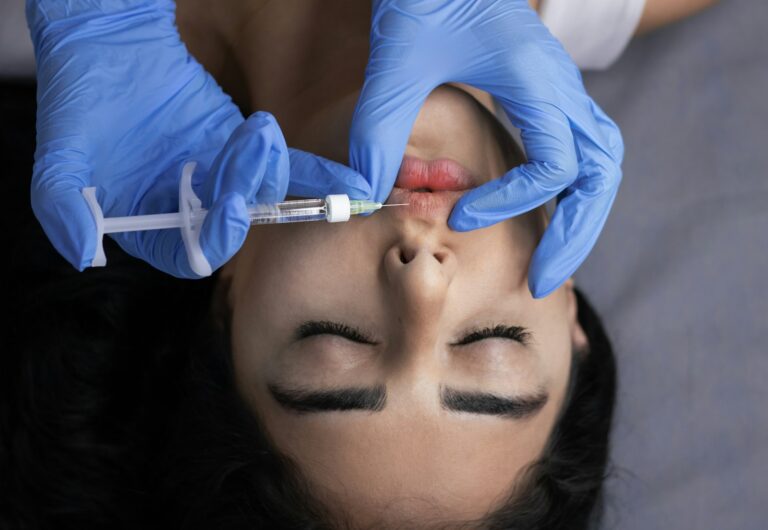
When a tired appearance is caused by volume loss beneath the eyes, carefully placed hyaluronic acid filler can smooth the transition from the lower lid to the cheek. Premium fillers in the Restylane and Juvéderm families are designed to provide soft, flexible support when selected and injected appropriately.
Under-eye filler is a highly technical treatment, not a one-size-fits-all quick fix. The area has delicate anatomy, and too much product or poor placement can create swelling, an unnatural look, or visible fullness. A conservative approach is often the right approach. For some patients, treating the mid-cheek first creates better support and improves the under-eye transition without placing significant filler directly in the tear trough.
Results can be visible immediately, though mild swelling or bruising may occur. Hyaluronic acid fillers are also valued because they can be adjusted or dissolved if medically necessary. The right candidate usually has hollowing with relatively good skin quality and limited under-eye puffiness.
For crow’s feet and expression lines: Neuromodulators
Botox, Dysport, and Xeomin relax targeted muscles that create dynamic lines around the outer corners of the eyes. These treatments are especially effective for crow’s feet that become more noticeable when smiling or squinting.
Neuromodulators do not fill a hollow under-eye area or remove dark pigment. They can, however, make the eye area look smoother and more refreshed by softening repeated muscle movement. Precise dosing is essential. The goal is a natural, relaxed appearance that preserves expression, not a frozen smile.
Most patients begin to see improvement within several days, with results typically lasting about three to four months. For patients who want to stay ahead of etched-in lines, regular maintenance can be part of a long-term skin-aging strategy.
For crepey texture and fine lines: Skin resurfacing
If the main concern is thin, wrinkled, or crepey skin, collagen-stimulating treatments can offer more meaningful improvement than filler alone. Options such as Opus Plasma skin resurfacing, microneedling, and professionally selected chemical peels can improve texture, encourage collagen renewal, and help the skin appear firmer over a series of treatments.
Treatment selection depends on skin tone, sensitivity, downtime preferences, and the severity of the concern. Opus Plasma can be an excellent option for patients seeking advanced resurfacing with customizable intensity. Microneedling may suit patients focused on gradual texture improvement and collagen support. Chemical peels can help brighten dullness and improve surface-level discoloration when chosen carefully for the eye-adjacent area.
These treatments do not create overnight volume. Their value is progressive improvement in skin quality, which often makes the eye area look healthier and smoother in a way that photographs well from every angle.
For dullness and dehydration: Medical-grade skin care and Hydrafacial
Dehydrated skin can make fine lines look deeper and dark circles look more pronounced. A Hydrafacial can give the complexion a cleaner, more hydrated glow with little to no downtime, making it a popular choice before events or as part of ongoing maintenance.
For longer-term results, medical-grade skin care matters. Daily broad-spectrum sunscreen, a gentle eye-area routine, and properly selected antioxidants or retinoid-based products can help protect collagen and support more even-looking skin. The under-eye area is sensitive, so active products should be introduced thoughtfully. More product is not necessarily better.
Hydration treatments and skin care are best viewed as supportive options. They can noticeably improve radiance and texture, but they cannot reposition fat pads or fully correct significant tear trough hollowing.
For pigmentation-related dark circles: Brightening and resurfacing plans
Brown or gray-brown discoloration under the eyes may be related to excess pigment, sun exposure, genetics, or irritation. In these cases, filler is not always the answer and can sometimes make the area look heavier if there is no true hollow to correct.
A customized plan may include pigment-conscious skin care, sunscreen, gentle professional exfoliation, and selected resurfacing treatments. Patience is part of the process. Pigment usually improves gradually, and the safest plan protects the skin barrier rather than aggressively over-treating a delicate area.
For purple, blue, or reddish circles caused by visible vessels beneath thin skin, improving skin quality may help, but complete correction is not always realistic. An experienced provider can help set expectations and identify whether shadows, pigment, or vascular visibility are the main issue.
For puffiness and under-eye bags: Careful evaluation first
Puffiness is one of the most misunderstood under-eye concerns. It may fluctuate after salty meals, poor sleep, alcohol, allergies, or seasonal congestion. In those situations, lifestyle adjustments, cold compresses, and allergy management may reduce temporary swelling.
Persistent bags caused by prominent fat pads or significant loose skin are different. Adding filler beneath a puffy eye can make fullness more noticeable in the wrong candidate. When structural bags are substantial, a surgical consultation may be the most appropriate path for a lasting correction. A trustworthy aesthetic plan recognizes when a non-surgical treatment is not the best fit.
When Combination Treatment Creates the Best Result
The most polished outcomes often come from addressing both structure and skin quality. For example, a patient with mid-cheek volume loss, tear trough shadowing, and crow’s feet may benefit from subtle cheek support, conservative filler placement when appropriate, and a neuromodulator treatment for expression lines. Someone with mild hollows and crepey skin may see the strongest improvement from a combination of volume support and collagen-focused resurfacing.
The key is pacing. It is better to begin conservatively, allow swelling to resolve, and reassess than to chase immediate perfection. Under-eye treatments should enhance the face in motion and in natural light, not just in a close-up mirror photo.
Choosing a Provider for Under-Eye Treatment
Because the eye area is anatomically complex, credentials and injection experience should be central to your decision. Look for a medical aesthetic practice that uses established brands, conducts a full consultation, and is comfortable explaining why a treatment may not be right for you.
Ask what concern is being treated, what alternatives exist, what downtime to expect, and how the provider approaches safety. You should also be told when results are likely to be subtle, gradual, or limited by anatomy. Honest guidance is part of high-quality aesthetic care.
At LightTouch Med Spa, treatment planning is centered on medically guided options, premium products, and results that look refreshed rather than overdone. A consultation can clarify whether your under-eye concern is primarily volume, texture, pigment, puffiness, or a combination of factors.
The right under-eye treatment should make your reflection feel familiar, only more rested. Start with a thoughtful evaluation, choose an approach that respects your anatomy, and give subtle, well-planned results the time they deserve.
Read More LightTouch Med Spa Articles