Facial Balancing Treatment Guide for You
A fuller cheek, softer jawline, smoother chin, or more refreshed under-eye area can change how the entire face reads. That is the purpose of a facial balancing treatment guide: not to chase one feature or copy someone else’s result, but to understand how small, medically guided adjustments can create a more proportional, rested-looking version of you.
Facial balancing is not a single injectable or a fixed number of syringes. It is a personalized approach that considers your natural bone structure, facial movement, skin quality, profile, and goals before recommending treatment. For many patients, the most natural-looking results come from treating the areas that support the face rather than simply filling the area that first catches their attention.
What Facial Balancing Actually Means
Facial balancing uses non-surgical aesthetic treatments to improve harmony among facial features. A provider may assess the forehead, temples, cheeks, under-eyes, nose, lips, chin, jawline, and neck as connected areas rather than isolated concerns.
For example, a patient may feel that their nose appears prominent, when a subtly recessed chin is affecting facial profile. Another may request more lip volume, but benefit more from cheek support or wrinkle-relaxing treatment around the mouth first. The goal is not to make every feature larger. It is to create appropriate support, proportion, and definition while preserving what makes your face yours.
This approach can be especially valuable if you want to look refreshed without having an obvious “done” appearance. It also helps prevent a common mistake in aesthetics: repeatedly adding product to one area while overlooking the structural reason that area seems out of balance.
Facial Balancing Treatment Guide: What May Be Used
The right plan depends on your anatomy and treatment priorities. During a consultation, an experienced injector may combine one or more treatment categories to address volume, movement, contour, fat, and skin texture.
Dermal fillers for support and contour
Hyaluronic acid fillers, including trusted brands such as Juvéderm and Restylane, can restore or create subtle structure in areas such as the cheeks, chin, jawline, lips, and under-eyes. Some formulas are designed for flexible movement in softer areas, while others are chosen for firmer contour and lift.
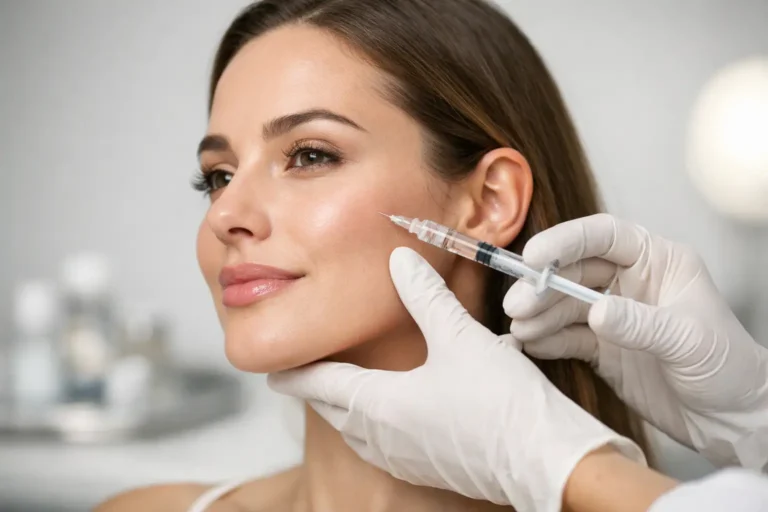
Fillers are often central to facial balancing because they can improve projection and proportion without surgery. Chin filler may strengthen a side profile. Cheek filler can replace volume that has shifted with age and reduce the appearance of tired hollows below the eyes. Jawline filler may create cleaner definition for patients who want a more sculpted lower face.
More filler is not automatically better. Overfilling can make features look heavy or distort natural movement. A skilled provider considers the correct product, injection depth, placement, and amount for each treatment area.
Neuromodulators for expression lines and muscle balance
Botox, Dysport, and Xeomin relax targeted muscles that create dynamic wrinkles or pull the face in ways that affect overall balance. These treatments are commonly used for forehead lines, frown lines, crow’s feet, lip lines, chin dimpling, and jaw muscle tension.
For some patients, relaxing a strong masseter muscle can slim a lower face that appears overly square. For others, small adjustments around the brows can create a more open, lifted look. Neuromodulators can also be part of a treatment plan for TMJ discomfort and migraines when clinically appropriate.
The trade-off is timing. Results develop gradually over several days and commonly last about three to four months, though individual metabolism, dosage, and treatment area matter. Strategic placement is essential because the aim is softened expression, not a frozen face.
Biostimulators for gradual volume improvement
Sculptra works differently than traditional filler. It is designed to stimulate collagen production over time, making it a strong option for broad facial volume loss, temple hollowing, cheek deflation, or areas that need gradual support.
Because results build progressively, Sculptra is not the ideal choice for someone who needs an immediate change before an event. It can be an excellent option for patients who prefer a longer-term, subtle improvement and are comfortable with a series of treatments. Your provider will help determine whether a biostimulator, filler, or a combination is the better match.
Treatments that improve the frame around your features
Balance is not only about injectable volume. Skin quality can significantly affect whether the face looks healthy and refined. Opus Plasma skin resurfacing, microneedling, chemical peels, and Hydrafacial treatments can address concerns such as uneven tone, dullness, fine lines, enlarged pores, acne scarring, and rough texture.
For patients bothered by fullness beneath the chin, Kybella may be considered to target submental fat. This is a different concern from jawline structure, and it requires an individualized assessment. Improving the chin-to-neck transition can make facial proportions look more defined, but it is not a substitute for filler when projection is the underlying issue.
What Happens During a Thoughtful Consultation
A high-quality facial balancing consultation should feel educational, not pressured. Your injector will discuss your medical history, prior aesthetic treatments, medications, allergies, skincare routine, and goals. Be open about treatments you have had elsewhere, especially previous filler, because product placement and timing affect a safe plan.
The assessment may include your face at rest and in motion, frontal and profile views, facial symmetry, skin laxity, existing volume, and areas of muscle activity. Perfect symmetry is not realistic or necessary. Nearly every face has natural differences from side to side. The goal is to enhance proportion while respecting those differences.
You should also discuss your timeline. If you have a wedding, professional photos, or another major event ahead, schedule early. Fillers can involve temporary swelling or bruising, and some treatments require multiple sessions or gradual collagen stimulation. Planning ahead gives you room for a conservative first treatment and a refinement visit if needed.
How to Know Which Areas to Treat First
A good treatment plan prioritizes impact, not simply the longest list of concerns. In many cases, upper and mid-face support is addressed before the lower face because cheeks and temples influence how the eyes, nasolabial folds, and jawline appear. In other cases, a chin or jawline treatment produces the most noticeable improvement in profile balance.
First-time patients often benefit from a staged approach. Treat one or two foundational areas, allow swelling to settle, then reassess. This method can feel more financially manageable and reduces the risk of making too many changes at once.
If your main concern is tired-looking eyes, the answer may be skincare or resurfacing, cheek support, wrinkle relaxers, or a combination. Under-eye filler can be appropriate for select patients, but it is not the right solution for every hollow, puffiness concern, or skin-quality issue. This is exactly why an in-person assessment matters.
Safety, Recovery, and Realistic Expectations
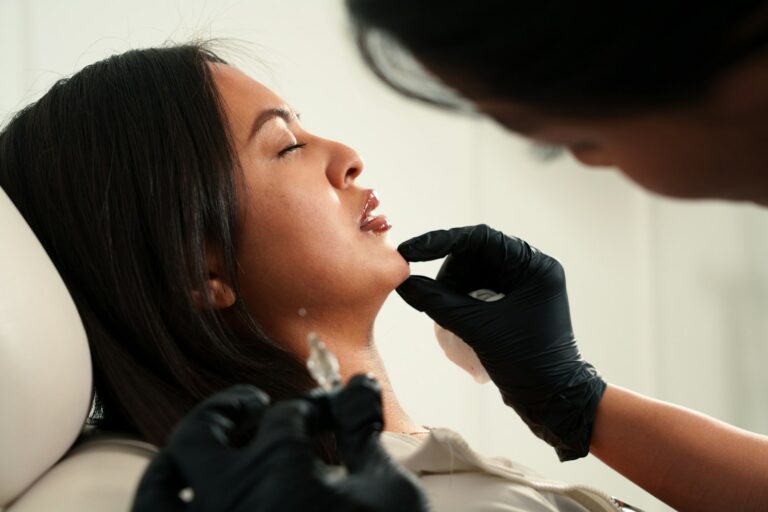
Injectables are medical treatments, even when the appointment is quick. Choose a qualified, experienced provider who uses recognized products and explains both benefits and potential risks. Bruising, tenderness, swelling, and redness are common temporary effects. More serious complications are uncommon but possible, which is why anatomy knowledge, proper technique, and clear aftercare instructions matter.
Before treatment, follow your provider’s guidance regarding medications, supplements, alcohol, exercise, and scheduling. Afterward, avoid aggressively pressing or massaging treated areas unless instructed to do so. Contact your provider promptly if you have unusual pain, changes in skin color, vision symptoms, or concerns that feel outside typical recovery.
Natural results also require realistic expectations. Facial balancing can refine proportion, improve contour, and help you look more rested. It cannot make a face perfectly symmetrical, permanently stop aging, or replace surgery when significant laxity is the concern. The best plans are honest about what can be achieved non-surgically.
A Plan That Looks Like You, Only More Refreshed
At LightTouch Med Spa, facial balancing is approached as a personalized medical aesthetic plan, not a one-size-fits-all package. Experienced injectors can help you understand which premium treatments fit your goals, comfort level, budget, and timeline. A free consultation gives you space to ask questions and make decisions with clarity.
The most successful result is often the one people cannot quite identify. They may simply notice that you look rested, confident, and polished. Start with the features that matter most to you, choose a provider who values restraint as much as results, and give your treatment plan the time it needs to look naturally at home on your face.
Read More LightTouch Med Spa Articles