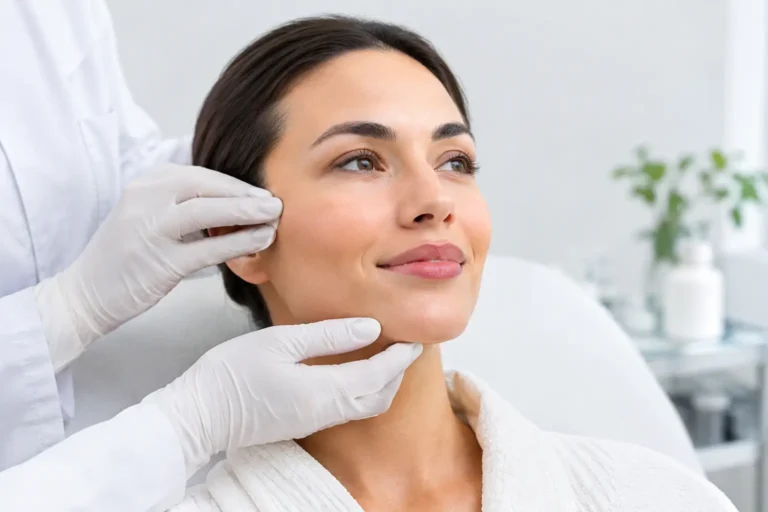
Chemical Peel vs Dermaplaning for Brighter Skin
Your skin can look dull for very different reasons. Sometimes the issue is a buildup of dead surface cells and fine facial hair that keeps makeup from sitting smoothly. Other times, it is sun discoloration, breakouts, rough texture, or early lines that need a more targeted treatment. When comparing chemical peel vs dermaplaning, the best option depends on what is actually happening in your skin – not simply which treatment is trending.
Both treatments can reveal a fresher, more radiant complexion with little to no disruption to your schedule. They work in very different ways, however, and choosing the right one can make the difference between a pleasant glow and a treatment plan that truly moves you toward your skin goals.
Chemical Peel vs Dermaplaning: The Core Difference
Dermaplaning is a manual exfoliation treatment. A trained provider uses a sterile surgical blade held at a precise angle to gently remove dead skin cells and vellus hair, often called peach fuzz, from the face. The result is immediately smoother-feeling skin with a polished appearance. Dermaplaning does not make facial hair grow back darker or thicker. It only removes the hair at the skin’s surface.
A chemical peel uses a carefully selected solution to exfoliate the skin through controlled chemical action. Depending on the peel and its strength, it can address the outermost layer of skin or work more deeply. Professional chemical peels are selected based on concerns such as uneven tone, acne congestion, post-acne marks, fine lines, texture, and visible sun damage.
Think of dermaplaning as a surface-smoothing treatment and a chemical peel as a customizable skin-renewal treatment. Both can be valuable, but they do not offer identical benefits.
What Dermaplaning Does Best
Dermaplaning is an excellent choice when your priority is instant smoothness. It removes the layer of dull, dead cells that can leave skin looking flat, while also taking away fine hair that can catch foundation, powder, and skincare products.
Many patients choose it before a special event because there is typically no peeling and very little downtime. You may have mild temporary pinkness, but most people can return to normal activities right away. Makeup often applies more evenly afterward, and professional skincare can sit beautifully on the newly refined surface.
This treatment is especially appealing for dry or mature skin that looks lackluster but is not actively irritated. It can also be a smart maintenance option for patients who want a clean, smooth finish between more corrective treatments.
Dermaplaning is not always appropriate for active, inflamed acne, open lesions, or certain irritated skin conditions. Passing a blade over active breakouts can worsen inflammation or spread bacteria. A qualified aesthetic provider should assess your skin before treatment rather than treating every face the same way.
What a Chemical Peel Does Best
Chemical peels offer more range because the formula, strength, and treatment schedule can be tailored to your needs. A light peel may create a refreshed glow with minimal visible flaking. A stronger professional peel may produce several days of peeling as old, damaged surface cells shed and healthier-looking skin emerges.
For patients concerned with discoloration, uneven tone, acne-prone skin, enlarged-looking pores, fine lines, or rough texture, a chemical peel often provides more targeted improvement than dermaplaning alone. Repeated treatments can be part of a strategic plan for clearer, more even, more luminous skin.
Not every chemical peel causes dramatic shedding. Visible peeling is not the only sign that a peel is working, and aggressively chasing flaking can compromise the skin barrier. The right peel is one that matches your skin type, sensitivity level, current skincare routine, and desired downtime.
In Orlando, consistent sun protection matters after any exfoliating treatment, but it is particularly important after a chemical peel. Freshly treated skin can be more vulnerable to sun exposure and discoloration. Daily broad-spectrum sunscreen, shade, and post-treatment instructions are part of protecting your results.
Comparing Results, Downtime, and Comfort
| Consideration | Dermaplaning | Chemical Peel | | — | — | — | | Primary benefit | Smooths surface texture and removes vellus hair | Targets tone, texture, congestion, and signs of aging | | Immediate result | Skin feels soft and looks polished right away | May look refreshed immediately, with continued change as skin renews | | Downtime | Usually little to none | Varies from minimal flaking to several days of peeling | | Best for | Dullness, peach fuzz, smoother makeup application | Acne, discoloration, uneven texture, fine lines, and sun damage | | Treatment experience | Gentle manual exfoliation | Mild tingling or warmth may occur, depending on the peel |
Neither treatment has to be an all-or-nothing decision. A patient preparing for photos may prefer dermaplaning for a smooth canvas with minimal downtime. Someone working on persistent acne marks or visible sun damage may benefit more from a series of professional chemical peels. For many people, the strongest approach is a customized plan that uses each treatment at the appropriate time.
Which Treatment Is Better for Your Skin Concern?
If peach fuzz and makeup texture are your biggest frustrations, dermaplaning is usually the more direct answer. It offers a refined finish that you can see and feel immediately, without waiting through a peeling phase.
If your main concern is hyperpigmentation, acne-related discoloration, stubborn congestion, or uneven texture, a chemical peel is typically more appropriate. It can be selected to support skin turnover and address the concern beyond the top layer of surface buildup.
For fine lines and early signs of aging, the answer depends on the cause. Dermaplaning can make fine lines look softer temporarily by improving surface smoothness. Chemical peels can help improve the look of fine lines and texture over time by encouraging controlled exfoliation and renewal.
Sensitive skin requires more nuance. Some sensitive patients tolerate dermaplaning well, while others may be better candidates for a very gentle peel or a different treatment entirely. If you use prescription retinoids, exfoliating acids, benzoyl peroxide, or strong active skincare, disclose that during your consultation. Your provider may ask you to pause certain products before treatment to reduce unnecessary irritation.
Can You Combine Dermaplaning and a Chemical Peel?
Yes, dermaplaning and a chemical peel can sometimes be combined, but timing and peel selection matter. Removing surface buildup before a peel may allow for more even product contact, which is why some professional treatment plans pair them. This should never be treated as a do-it-yourself shortcut.
Combining exfoliating treatments can also increase sensitivity when the skin barrier is already compromised or when a patient is using active skincare at home. A medically guided assessment helps determine whether pairing treatments is appropriate now, later, or not at all.
At LightTouch Med Spa, a skin consultation can help identify whether your complexion needs instant refinement, corrective exfoliation, or a broader plan that may include treatments such as Hydrafacial, microneedling, or laser resurfacing. The goal is not to choose the most intensive treatment. It is to choose the treatment that makes sense for your skin, your calendar, and the results you want to maintain.
How to Protect Your Results
After dermaplaning, keep your routine gentle for the next day or two. Avoid scrubs, exfoliating acids, retinoids, and unnecessary friction until your skin feels fully settled. Hydrating products and sunscreen are especially helpful.
After a chemical peel, follow your provider’s instructions closely. Do not pick, pull, or manually exfoliate flaking skin. Let it shed naturally, support the barrier with approved skincare, and be diligent about sun protection. Peeling skin is not a reason to over-treat it.
The right choice is the one that respects your skin’s current condition while supporting the confident, healthy-looking complexion you want to see in the mirror. A professional consultation can turn that choice from guesswork into a treatment plan built around visible results.
Read More LightTouch Med Spa Articles