How to Reduce Forehead Sweating: What Works
A shiny forehead can be frustrating at a work presentation, during a Florida outdoor event, or just minutes after applying makeup. If you are searching for how to reduce forehead sweating, the right approach depends on whether you are reacting to heat, stress, skincare, or a more persistent pattern of excessive sweating. The good news is that practical changes and medically guided treatment can both make a meaningful difference.
Why forehead sweating happens
Sweating is your body’s cooling system. When your internal temperature rises, your nervous system activates sweat glands to release moisture that can evaporate and cool the skin. The forehead and scalp often show sweat quickly because they are exposed, highly visible, and have a high concentration of sweat glands.
Heat, humidity, exercise, spicy foods, alcohol, caffeine, and emotional stress can all make forehead sweating more noticeable. In Orlando, the combination of outdoor heat and humidity can turn a normal physiologic response into a daily confidence concern, especially for people who commute, work outdoors, attend events, or spend time in front of cameras.
For some people, the amount of sweat is disproportionate to the situation. You may sweat heavily in an air-conditioned room, while sitting still, or before an event even when you do not feel especially warm. This may point to craniofacial hyperhidrosis, a form of excessive sweating that affects the face, forehead, and scalp.
How to reduce forehead sweating with daily habits
Daily adjustments will not stop every episode of sweating, but they can reduce the conditions that trigger it and help you feel more comfortable between treatments. Start by paying attention to patterns for one to two weeks. Note when sweating begins, what you ate or drank, the temperature, your stress level, and any products you applied to the area. A clear pattern often makes the next step easier.
Keep heat from building up
Choose lightweight, breathable clothing and seek shade or air conditioning when possible. A portable fan, cool towel at the back of the neck, or chilled facial mist can offer short-term relief before a meeting or social event. Give yourself a few minutes to cool down after walking from the car or exercising before applying makeup.
Hair can also hold heat around the hairline and forehead. Pulling it away from the face, choosing a lighter style on high-humidity days, and using an absorbent headband during workouts can limit visible moisture without irritating the skin.
Adjust common personal triggers
Caffeine, alcohol, hot drinks, and spicy foods can prompt facial flushing and sweating in some people. You do not necessarily need to avoid them completely. Instead, consider timing them strategically. For example, skip a second coffee or spicy lunch before an important on-camera appointment, outdoor celebration, or professional presentation.
Stress is another common trigger. A few minutes of slow breathing before a high-pressure moment can help reduce the adrenaline response that contributes to sweat. This is not a cure for excessive sweating, but it can be useful when anxiety and perspiration tend to reinforce each other.
Be careful with skin products
Heavy occlusive creams, rich oils, and thick foundations can make a sweaty forehead feel warmer and look shinier. Use a lightweight, noncomedogenic moisturizer and allow it to absorb fully before sunscreen or makeup. Blotting papers are usually better than repeatedly rubbing the area, which can cause irritation and disturb makeup.
Traditional antiperspirants are designed primarily for the underarms. Some clinicians may recommend a carefully selected antiperspirant for the hairline or forehead in specific cases, but this area is sensitive and close to the eyes. Do not experiment with strong formulas near the eyelids, and stop using a product if it stings, causes a rash, or migrates into the eyes.
When forehead sweating may be more than normal
Consider a medical evaluation if forehead sweating is frequent, interferes with work or social confidence, soaks through hats or headbands, or happens without a clear heat or exercise trigger. Excessive sweating can begin on its own, but it can also be associated with medications, hormonal changes, thyroid conditions, infections, low blood sugar, menopause, or other health concerns.
New, sudden, or widespread sweating deserves particular attention. Speak with your primary care provider promptly if sweating occurs with chest pain, shortness of breath, fainting, fever, unexplained weight loss, or night sweats. Aesthetic treatment can be an excellent option for established hyperhidrosis, but it should not replace an appropriate medical assessment when symptoms are new or changing.
Medical options to reduce forehead sweating
When cooling strategies and trigger management are not enough, a qualified medical provider can discuss treatments based on your health history, symptom pattern, and facial anatomy. The goal is not to eliminate your body’s ability to cool itself. It is to reduce excessive, disruptive sweating in a targeted way.
Neuromodulator injections for the forehead
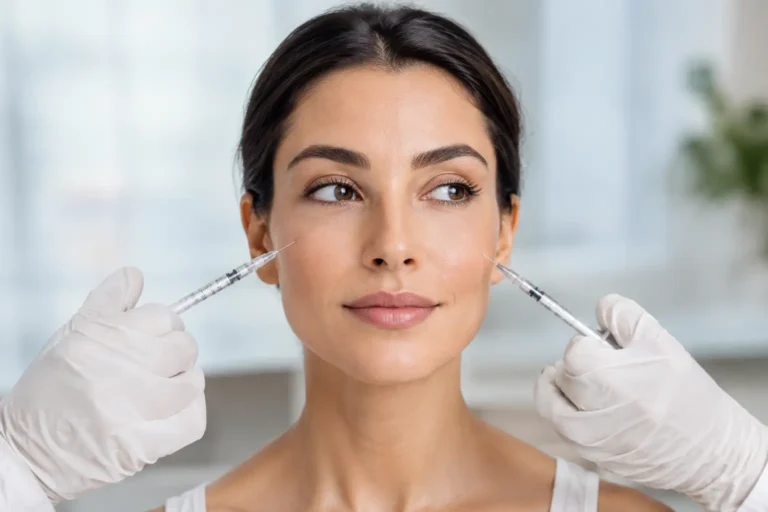
Botox and other neuromodulators can temporarily reduce sweat production by interrupting the nerve signals that tell sweat glands to activate. Small, precisely placed injections may be used to treat focal forehead sweating. Many patients notice improvement within days, with results that can last several months, though duration varies from person to person.
The forehead requires a highly experienced injector. This is an expressive area, and treatment planning must account for muscle movement, brow position, asymmetry, and the exact locations where sweating occurs. An overly aggressive or poorly placed treatment can affect facial movement or brow position, which is why credentials and technique matter as much as the product itself.
A consultation should include a discussion of your goals, medical history, current medications, previous injectable treatments, and whether your concern is sweat, facial flushing, wrinkles, or a combination. A skilled provider can create a plan that respects your natural expression while addressing the functional concern.
Prescription topical and oral medications
Some patients may be candidates for prescription medications that reduce sweat gland activity. These options can be useful in selected cases, especially when sweating affects more than one area. However, they are not right for everyone. Dry mouth, blurred vision, constipation, urinary symptoms, and other side effects can occur with certain oral medications, so a prescribing clinician should review the risks carefully.
Topical prescription options may also be considered, but use on the face requires extra caution because of the potential for irritation and accidental eye exposure. Your provider can explain whether a topical approach is appropriate for your skin and symptoms.
Treating related flushing or skin concerns
Sometimes the issue is not sweating alone. Facial redness, rosacea, heat sensitivity, and makeup breakdown can make mild perspiration appear more severe. In those cases, a customized skin plan may improve comfort and the overall appearance of the forehead without relying on one treatment alone. The best recommendation depends on what is actually happening at the skin level.
What to expect at a forehead sweating consultation
A quality consultation should feel specific to you, not like a generic injectable appointment. Your provider should ask when sweating occurs, how it affects your day, whether you have tried over-the-counter products, and whether you have symptoms elsewhere, such as the underarms, hands, feet, or scalp.
If injectable treatment is appropriate, your provider will map the treatment area and explain realistic results, expected timing, possible side effects, and maintenance needs. There is little downtime for most patients, although you may have temporary pinpoint redness, swelling, or small bumps at injection sites. Follow the aftercare instructions provided by your treatment team.
At LightTouch Med Spa, patients can discuss excessive sweating concerns with experienced medical aesthetic providers who understand both facial anatomy and the importance of natural-looking results. A personalized consultation can help determine whether a targeted neuromodulator treatment or another approach fits your goals.
Forehead sweating should not dictate how you show up for photos, meetings, celebrations, or everyday life. Start with simple trigger awareness, then seek professional guidance if sweating remains persistent or disruptive. The most effective solution is the one that keeps you comfortable while protecting your health, skin, and confidence.
Read More LightTouch Med Spa Articles