Laser Hair Reduction Results You Can Expect
A razor can leave skin smooth for a day. Waxing can buy a few weeks, often with irritation, ingrown hairs, or the hassle of growing hair out first. Laser hair reduction results offer a different approach: a planned series of treatments designed to significantly reduce unwanted hair over time, so the areas you treat can feel smoother and require far less maintenance.
For many patients, the appeal is not simply having less hair. It is getting ready faster, feeling more confident in sleeveless clothing or swimwear, and stepping away from a routine that never seems to end. The most satisfying results come from knowing what the treatment can realistically do, how long it takes, and why an experienced provider matters.
What Laser Hair Reduction Results Really Mean
Laser hair reduction works by directing controlled laser energy toward pigment in the hair follicle. The energy heats the follicle to disrupt its ability to produce a new hair. Because the laser targets pigment, dark, coarse hair typically responds especially well.
The goal is long-term hair reduction, not a promise that every single follicle will disappear forever. After a complete treatment series, many patients see a substantial decrease in the number of hairs that return, along with finer, lighter, and slower-growing regrowth. The exact degree of reduction depends on the treatment area, hair color and density, skin tone, hormonal factors, and consistency with appointments.
This distinction is a good thing to understand before you begin. A thoughtful treatment plan sets the right expectation: less shaving, fewer ingrown hairs, smoother skin, and occasional maintenance when needed. For patients who have spent years managing unwanted hair, that can be a meaningful change.
When Will You Start Seeing Results?
Hair does not vanish the moment a laser treatment ends. In the days after an appointment, treated hairs may look as though they are still growing. What is often happening is shedding. Over the next one to three weeks, the hair shaft gradually works its way out of the follicle. It can look like new growth, but it usually releases easily as the skin exfoliates naturally.
After the first treatment, some patients notice patchier regrowth or a slower return of hair. More visible laser hair reduction results generally build with each session. By the third or fourth appointment, many people see clear thinning in responsive areas such as the underarms, bikini line, lower legs, and face.
Treatments are spaced apart because hair grows in cycles. Laser energy is most effective when a follicle is actively producing hair. Since not every follicle is in that phase at the same time, a single session cannot treat all hairs equally. A series of appointments gives the provider the opportunity to target more follicles as they enter the right stage.
Typical treatment timing
Facial areas are often treated every four to six weeks, while body areas may be scheduled roughly every six to eight weeks. Most patients need a series of treatments, commonly six to eight, although some need more or fewer. Your treatment provider can recommend an appropriate schedule after evaluating the area, your hair pattern, and your goals.
Skipping appointments or stretching the schedule too far can slow progress. On the other hand, scheduling treatments too close together does not force more follicles into the active growth stage. Consistency, not rushing, is what supports a strong outcome.
Which Areas Respond Best?
Laser hair reduction can be an excellent option for underarms, bikini areas, Brazilian treatments, legs, arms, chest, back, stomach, and select facial areas. Coarse, dark hair often responds more noticeably than fine or light hair because there is more pigment for the laser to identify.
That does not mean people with lighter hair or different skin tones should assume treatment is off the table. It means the device, settings, and treatment strategy need to be selected carefully. A medical spa should assess your skin tone, hair characteristics, history of pigmentation concerns, medications, and recent sun exposure before recommending a plan.
Fine peach fuzz is usually not the ideal target. It may not respond as predictably as thicker hair, particularly on the face. Hormone-sensitive areas can also be less predictable. For example, hair related to polycystic ovary syndrome, menopause, or other hormonal shifts may improve significantly but can require ongoing maintenance.
What Can Affect Your Outcome?
The best results are never just about the machine. They come from matching the right technology and settings to the patient, then following a treatment plan that protects the skin while effectively treating the follicle.
Your hair and skin contrast matter, but so do practical habits between sessions. Shave the treatment area as instructed before your appointment. Avoid waxing, tweezing, threading, and epilating during the series because those methods remove the hair root the laser needs to target. Shaving is different because it leaves the follicle in place.
Sun exposure deserves special attention in Orlando. Tanned or recently sun-exposed skin may be more sensitive and can increase the risk of unwanted pigment changes. Your provider may recommend postponing treatment if your skin has recently tanned. Daily broad-spectrum sunscreen and thoughtful sun protection help support both safety and treatment consistency.
Certain medications and skincare products may also affect candidacy or aftercare. Be transparent during your consultation, especially if you use prescription retinoids, photosensitizing medications, or have a history of cold sores when treating the face. This is one reason medically guided care is more than a convenience.
What Treatment and Recovery Feel Like
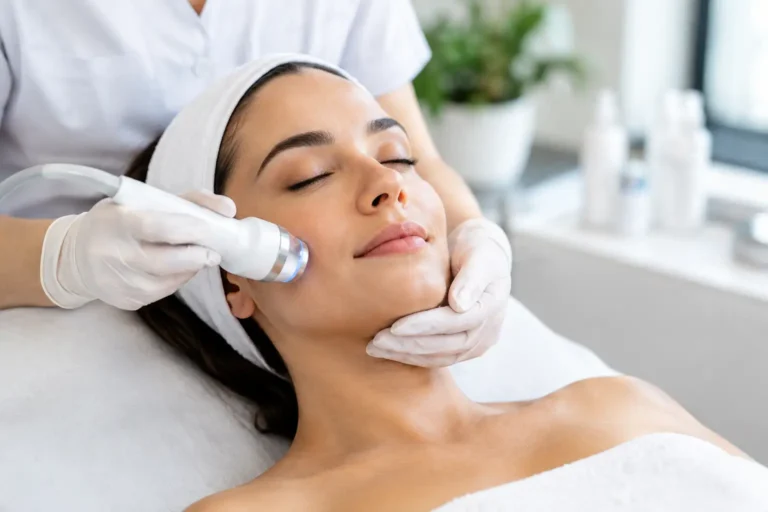
Many patients describe each pulse as a quick snap of heat against the skin. Modern laser systems often incorporate cooling features that make treatment more comfortable, and sessions can be surprisingly efficient for smaller areas. Sensation varies by area and individual sensitivity, with the bikini line and upper lip often feeling more intense than the legs or arms.
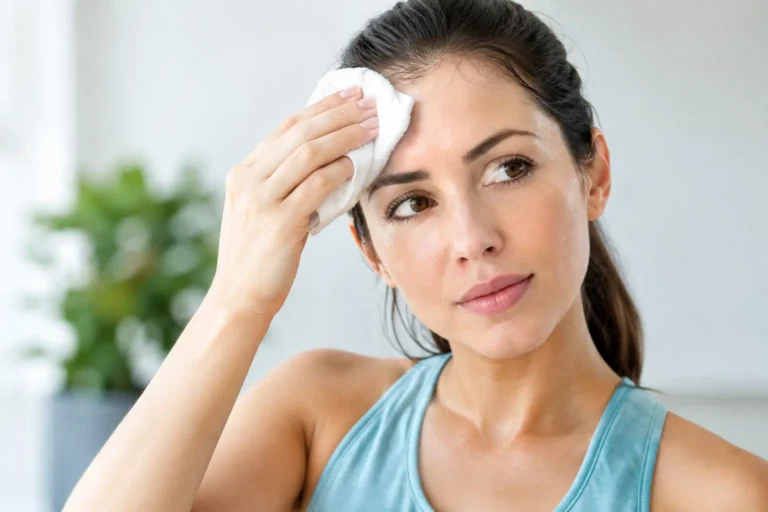
Mild redness and temporary follicular swelling are common immediately afterward. They usually fade within hours to a day or two. Cool compresses, gentle skincare, and avoiding intense heat, workouts, hot tubs, and direct sun right after treatment can help keep skin comfortable.
Do not expect perfectly smooth skin immediately after every session. The treated hairs need time to shed, and untreated growth-cycle hairs may still appear. Resist the urge to wax them away. Shaving is typically fine once the skin has settled, but your provider will give you personalized instructions.
Why Professional Guidance Makes a Difference
A bargain treatment is not always a value if the provider cannot properly assess your skin, adjust settings, or respond to your concerns. Laser energy needs to be precise. Too little may produce disappointing reduction; inappropriate settings can raise the risk of unnecessary irritation or pigment changes.
At LightTouch Med Spa, treatment planning starts with a consultation that considers your goals, skin type, hair pattern, lifestyle, and comfort. This is especially valuable for first-time patients who are unsure where to start and for experienced laser patients who want a more reliable, results-focused plan.
Ask direct questions before committing to a series. Which areas are likely to respond best? How many sessions are recommended for your hair pattern? What should you avoid before and after appointments? When might maintenance be appropriate? Clear answers help you invest with confidence rather than chasing unrealistic promises.
Keep the Long View in Mind
The strongest results usually reveal themselves gradually, not overnight. Take photos before treatment and at intervals throughout your series, especially for larger areas where day-to-day changes can be easy to miss. You may be surprised by how much less often you reach for a razor after several appointments.
When your treatment plan is complete, maintenance may be occasional, seasonal, or unnecessary for long stretches of time. That depends on the area and your individual biology. Start with a professional consultation, protect your skin from the sun, and give the process enough time to work – smoother, lower-maintenance skin is built one properly timed session at a time.
Thinking about your first session? See how our Orlando laser hair removal treatments work with the Soprano® laser, and read our breakdown of laser hair removal cost in Orlando.
Read More LightTouch Med Spa Articles