Should You Shave Before Laser Hair Removal?
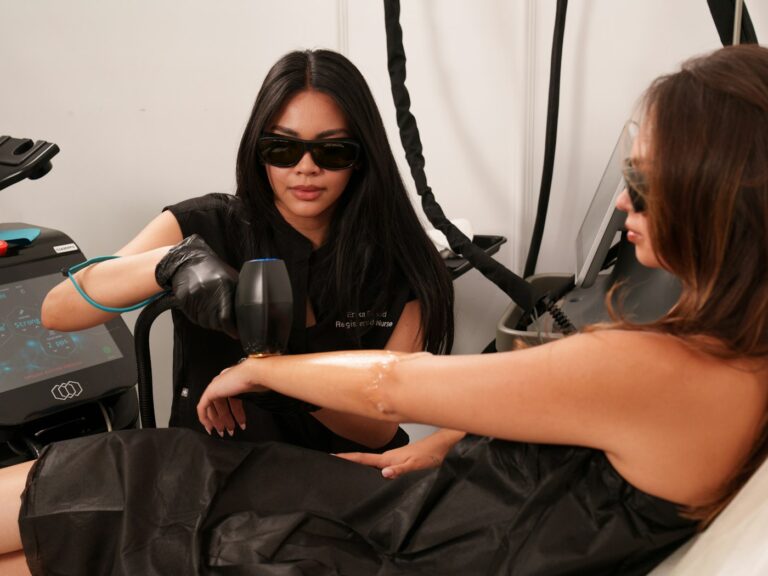
If you have a laser hair removal appointment coming up, the prep question is usually simple: should you shave before laser? Yes. For most treatment areas, a close shave is the right preparation because it helps the laser focus its energy where it is needed – inside the hair follicle – while keeping surface hair from interfering with the treatment.
The details matter, though. Shaving too early, shaving too aggressively, or using another form of hair removal can affect your comfort, your skin, and potentially your results. Here is how to prepare with confidence.
Why You Should Shave Before Laser Hair Removal
Laser hair removal works by directing light energy toward pigment in the hair. That energy travels down the hair shaft to the follicle, where it can disrupt future growth. The follicle needs to remain in place for treatment to work, but the visible hair above the skin does not.
A close shave leaves a small amount of hair within the follicle while removing the length above the skin. This gives the laser a clear path to its target. Longer hair can absorb energy at the skin’s surface, which may create an unpleasant burning-hair smell, add discomfort, and reduce the efficiency of the treatment.
Shaving is different from waxing, tweezing, threading, or using an epilator. Those methods pull the hair out at the root, removing the target the laser needs to identify. If you want smoother skin between appointments, shaving is typically the preferred option.
When to Shave Before Laser
For most patients, shaving the treatment area the night before or about 12 to 24 hours before the appointment is ideal. Your skin has time to settle after shaving, while the area remains smooth enough for an efficient treatment.
Some providers may ask you to shave the morning of your visit, especially for areas where hair grows quickly. Others may prefer that you leave a small amount of visible growth so they can assess the treatment area before shaving it at the office. Follow the instructions from your laser provider if they differ from general guidance.
Avoid showing up with long hair in the treatment area unless your provider specifically tells you otherwise. It may mean extra preparation time, reduced comfort, or a need to reschedule. The goal is not to have a perfectly polished shave at all costs. The goal is calm, intact skin with minimal hair above the surface.
Do not shave irritated or broken skin
If shaving causes razor burn, cuts, ingrown hairs, or a rash, do not try to force a closer shave immediately before treatment. Laser treatment should not be performed over open skin or active irritation. Contact the office for guidance, particularly if you are treating a sensitive area such as the bikini line, underarms, or face.
For patients prone to razor bumps, using a fresh, clean razor and a gentle shaving product can make a noticeable difference. Shave in a way that is comfortable for your skin rather than repeatedly going over the same area to chase total smoothness.
How to Shave for Your Appointment
Start with clean skin and a clean razor. A dull blade is more likely to tug at the hair and leave the skin inflamed. Warm water can soften the hair, and a mild fragrance-free shaving gel or cream can provide slip if your skin tolerates it.
Shave gently with light pressure. In areas that are easily irritated, shave in the direction of hair growth first. You can decide whether a second pass is necessary, but avoid aggressive pressure or repeated strokes. Rinse thoroughly and pat the skin dry instead of rubbing it.
After shaving, skip heavily fragranced lotions, body oils, self-tanner, and exfoliating acids on the treatment area. On the day of laser hair removal, arrive with clean, dry skin whenever possible. Makeup, deodorant, sunscreen, lotion, and perfume can need to be removed before certain treatments, so a bare treatment area keeps the visit simple.
If you are having facial laser hair removal, do not dry shave over acne, peeling skin, or areas that feel tender. A member of your treatment team can help determine whether a brief delay is safer than treating compromised skin.
What Not to Do Before Laser Hair Removal
Shaving is only one part of preparation. Because laser treatment relies on the hair follicle, avoid methods that remove hair from the root for several weeks before your appointment. The exact timeline varies by area and hair cycle, but many practices recommend avoiding waxing, plucking, threading, sugaring, and epilators for at least four to six weeks.
Bleaching hair is also not a good substitute for shaving. Laser devices rely on contrast between the pigment in the hair and surrounding skin. Bleached hair may be harder for the laser to detect.
Sun exposure deserves equal attention, especially in Orlando where sunny days are part of everyday life. A tan, sunburn, or skin that is actively peeling can increase sensitivity and may make it inappropriate to proceed that day. Avoid intentional tanning before treatment, use sun protection as instructed by your provider, and disclose any recent sun exposure honestly during your visit.
You should also tell your provider about medications and skincare products. Retinoids, exfoliating acids, certain antibiotics, acne medications, and photosensitizing medications can affect skin sensitivity. Do not stop prescribed medication without speaking with the clinician who prescribed it. Your laser provider can tell you whether your appointment should be adjusted.
Does the Area Matter?
The basic answer to whether to shave before laser is the same for most body areas, but technique and timing can vary. Legs and underarms are usually straightforward to shave. The bikini area may be more prone to irritation, while the face requires extra care around active breakouts and sensitive skin.
For larger areas like the back, chest, or full legs, it is worth planning ahead. Use adequate lighting, avoid rushing, and ask whether a trusted partner can help with hard-to-reach spots. If you cannot safely shave the area yourself, call the office before your appointment rather than making assumptions about what can be done on-site.
Certain areas may be treated differently based on anatomy, hair pattern, hormone-related growth, and skin tone. A qualified laser consultation is where these details become a personalized plan instead of a one-size-fits-all routine.
Common Questions About Shaving Before Laser
Can I shave between laser hair removal sessions?
Yes. Shaving between sessions is generally fine and often expected as treated hairs shed and new growth appears. Do not wax or pluck, even if the regrowth feels patchy or uneven. That pattern is common because hair follicles move through growth cycles at different times.
What if I forgot to shave?
Call before your appointment. Depending on the area and how much hair is present, your provider may be able to guide you on next steps. Avoid panic-shaving in a hurry if it is likely to leave your skin cut or inflamed.
Will shaving make my hair grow back thicker?
No. Shaving cuts the hair at the skin’s surface and does not change the number of follicles, the thickness of the hair, or its growth rate. The blunt edge of new growth can simply make hair feel coarser as it comes in.
Can I use depilatory cream instead?
Do not substitute a depilatory cream without specific approval from your provider. These products can irritate the skin, particularly shortly before laser treatment, and sensitivity may not become obvious until after use.
Prepare for Better Comfort and Better Results
Successful laser hair removal is a series of well-timed treatments, not a single appointment. Shaving correctly helps your provider treat the follicle efficiently, but your treatment schedule, skin tone, hair color, hormone factors, and consistent aftercare all matter as well.
At LightTouch Med Spa, your consultation is the right place to discuss your hair-removal goals, your skin history, and the preparation instructions that fit your treatment area. A little intentional prep the day before can help you arrive feeling comfortable, confident, and ready to focus on the smoother skin you want.
Ready to get started? Learn more about laser hair removal in Orlando at LightTouch Med Spa, or see what laser hair removal costs in Orlando.
Read More LightTouch Med Spa Articles