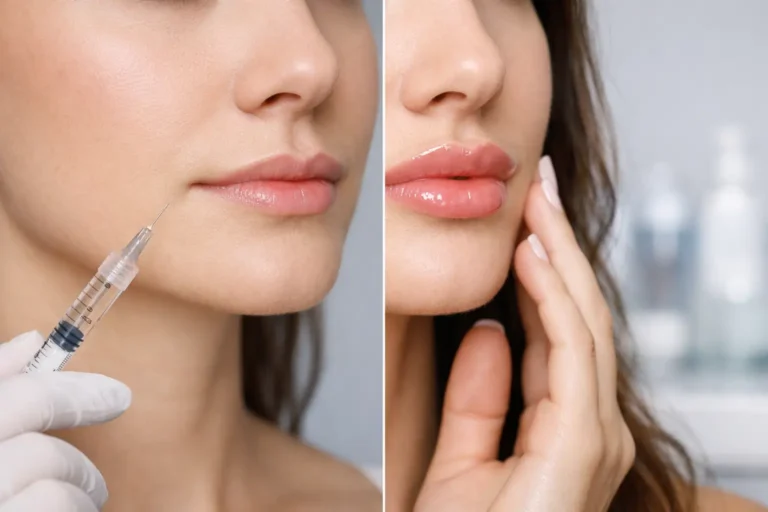
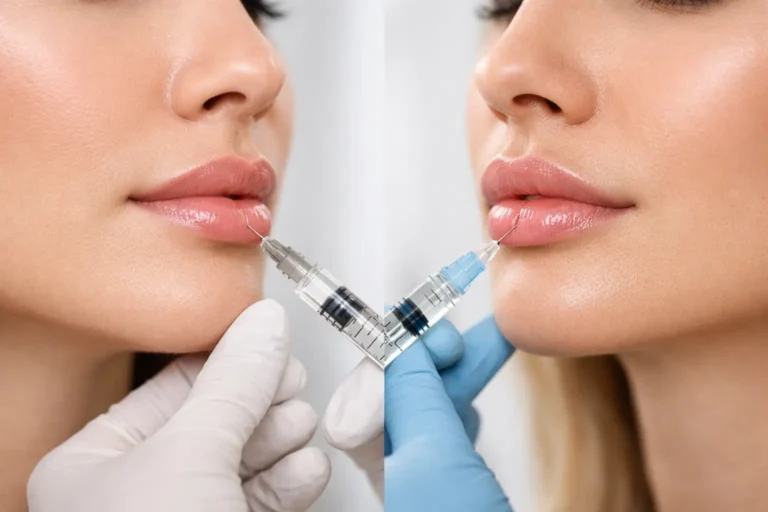
Can Fillers Correct Facial Asymmetry Safely?
A slightly higher cheek in photos, a chin that seems to pull to one side, or one under-eye hollow that catches more shadow can make facial imbalance feel more noticeable than it is. So, can fillers correct facial asymmetry? In many cases, yes. Expertly placed dermal filler can improve asymmetry caused by differences in facial volume, contour, or soft-tissue support. The goal is not to create a perfectly mirrored face. It is to make your features look more balanced, rested, and naturally proportioned.
Every face has some asymmetry. In fact, small differences between the right and left sides are normal and often part of what makes a person recognizable. Treatment becomes worth considering when the imbalance distracts from the features you love or has become more visible with aging, weight changes, dental changes, or prior facial treatments.
Can Fillers Correct Facial Asymmetry?
Dermal fillers can be an excellent non-surgical option when facial asymmetry is related to uneven volume or contour. Hyaluronic acid fillers, including recognized brands such as Juvéderm and Restylane, can add support and shape in precise areas. Depending on the concern, an experienced injector may treat one side more than the other rather than placing the same amount of product everywhere.
Common concerns that may respond well to filler include one cheek that appears flatter, uneven smile lines, lips with differing volume or border definition, a chin that lacks centered projection, jawline irregularity, or under-eye hollows that are more pronounced on one side. Filler may also soften the appearance of a crooked-looking nose in select nonsurgical rhinoplasty candidates, although this is an advanced treatment with meaningful safety considerations.
The key is diagnosis. A face can look uneven for many reasons, and filler is only the right answer when volume restoration or contour refinement will address the underlying issue. A skilled medical injector evaluates your face at rest and in motion, from multiple angles, before recommending treatment.
What Fillers Can and Cannot Change
Filler works by strategically adding volume beneath the skin. It can create a smoother transition between facial planes, replace age-related volume loss, and improve the visual relationship between features. For instance, modest cheek support on one side may make a jawline, nasolabial fold, and under-eye area appear more balanced without directly treating every area.
However, filler cannot change bone structure, reposition a significantly deviated nose, correct a bite issue, or resolve severe muscle imbalance. If facial asymmetry is caused by the jaw, teeth, facial bones, a history of trauma, nerve injury, or a medical condition, an evaluation with the appropriate medical or dental specialist may be needed.
Muscle activity also matters. One eyebrow may sit higher because the muscles on that side pull more strongly. One side of the jaw may look fuller due to clenching or TMJ-related masseter enlargement. In these situations, Botox, Dysport, or Xeomin may be more appropriate than filler, or may be used alongside filler for a more complete result. The safest, most flattering plan is based on the cause of the asymmetry, not on a one-treatment-fits-all approach.
Aesthetic asymmetry versus medical changes
Long-standing, mild asymmetry is usually an aesthetic concern. Sudden facial drooping, weakness, numbness, difficulty speaking, or changes in vision are not cosmetic issues to treat with filler. Seek urgent medical care for new or sudden neurological symptoms. A reputable medical spa will always prioritize that distinction.
Areas Where Filler Often Makes a Difference
Cheeks are one of the most effective places to begin because cheek volume influences the balance of the entire midface. A flatter cheek can make the lower face on that side look heavier, while a more projected cheek can create a lifted, more youthful contour. Restoring structural support may reduce the need to chase small imbalances elsewhere.
The chin and jawline can also be highly impactful. A chin that sits slightly off-center or lacks projection may make the nose, lips, and lower face appear less balanced. Carefully placed filler can improve projection and create a cleaner jawline profile. This area requires strong knowledge of anatomy and product selection, especially when treatment is intended to correct asymmetry rather than simply add definition.
Lips demand a lighter touch. It is normal for one side of the upper lip to have a different shape or for one corner of the mouth to sit slightly higher. Small amounts of filler can improve symmetry, but overfilling is easy to spot and rarely delivers a natural result. For lips, precision matters far more than volume.
Tear troughs and under-eye hollows can be another source of apparent asymmetry, particularly when one side has deeper shadowing. Not everyone is a good candidate for under-eye filler. People with significant puffiness, thin skin, fluid retention, or certain anatomical features may benefit more from another approach. An honest consultation should include that possibility.
Why an Expert Assessment Matters
Correcting asymmetry is more nuanced than filling the side that looks smaller. Facial balance depends on bone structure, skin quality, muscle movement, fat distribution, and lighting. A feature that seems uneven in a selfie may look different in person, because phone cameras and close angles can distort proportion.
At a thoughtful consultation, your injector should discuss what you see, review your health history, assess the area in motion, and explain what improvement is realistic. Photos can help document baseline asymmetry and guide a conservative plan. Many patients achieve their best outcome over more than one appointment, especially when the treatment involves cheeks, chin, and jawline.
Starting conservatively is often the right strategy. Hyaluronic acid filler can be adjusted over time and, when medically appropriate, dissolved if necessary. That does not make filler risk-free, but it provides flexibility that can be valuable when fine-tuning facial balance. Biostimulatory options such as Sculptra may be considered for broader, gradual volume loss, though they are typically less suited to immediate, highly precise correction in every area.
What Results Should Look Like
The best facial asymmetry treatment does not announce itself. Friends may notice that you look refreshed, more rested, or somehow more polished without identifying why. Your face should still move naturally, look like you in different lighting, and remain proportionate from the front and profile.
Results with hyaluronic acid fillers are visible right away, though mild swelling or bruising can temporarily affect symmetry during the first several days. Final settling varies by treatment area and individual healing. Most fillers last several months to more than a year, depending on the product, placement, metabolism, and facial movement. Maintaining results may require periodic touch-ups rather than repeating a full correction each time.
There are trade-offs. Treating asymmetry requires restraint, because adding too much volume to “catch up” with one side can create heaviness or a puffy appearance. It may also be better to improve balance rather than pursue mathematical symmetry. Faces are dynamic, and a result that looks perfectly even while still can appear less natural when you smile or speak.
Choosing a Safe Provider for Asymmetry Correction
Facial filler is a medical treatment, not a casual beauty service. Choose a qualified injector who understands facial anatomy, uses FDA-approved products appropriately, and is prepared to manage complications. This is particularly important in high-risk areas such as the nose, under-eyes, and temples, where vascular anatomy requires advanced training and careful technique.
Ask how the provider evaluates asymmetry, whether they use a staged approach, and what product they recommend for your specific concern. You should feel comfortable hearing that filler may not be the best option. That kind of guidance is a sign that your plan is centered on your face, not on selling syringes.
For Orlando patients seeking a medically guided approach, LightTouch Med Spa offers consultations designed to match treatment choices to your facial anatomy, goals, and comfort level. A personalized plan may involve filler alone or a combination of injectable treatments when muscle movement and volume loss both contribute to imbalance.
Facial asymmetry does not need to be erased to be improved. The most confidence-building result usually comes from subtle, strategic refinement that lets your natural features look more harmonious from every angle.
Read More LightTouch Med Spa Articles