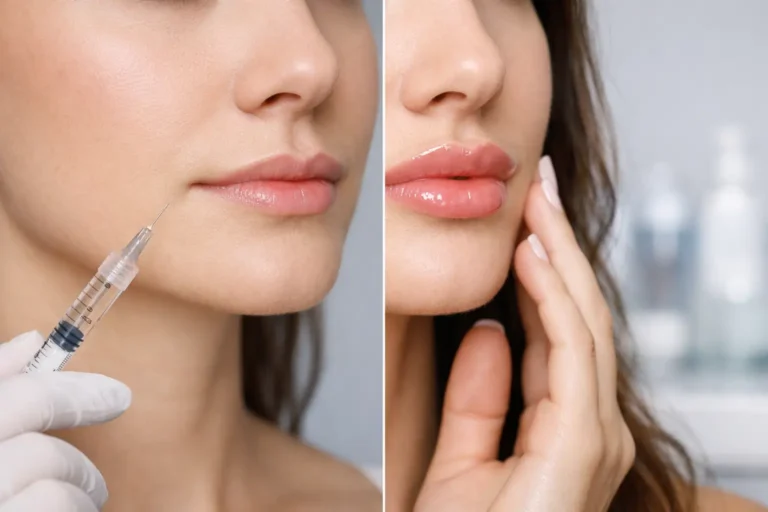
Restylane Cheek Filler for Natural Contour
Hollowing beneath the eyes, flattened cheeks, and a less-defined facial shape can make the face appear tired even when you feel well rested. Restylane cheek filler is designed to restore support where age-related volume loss often begins: the midface. When placed strategically by an experienced injector, it can create smoother transitions from the under-eye area to the cheek, improve facial balance, and bring back a naturally refreshed look without surgery.
For many patients, the goal is not noticeably larger cheeks. It is to look less drawn, more lifted, and more like themselves. That distinction is why a thoughtful consultation and precise injection technique matter.
What Restylane Cheek Filler Does
Restylane is a family of FDA-approved hyaluronic acid fillers. Hyaluronic acid is a substance naturally found in the skin that attracts water, making it well suited for restoring soft, flexible facial volume. Different Restylane formulas have different levels of structure and spread, allowing an injector to choose a product based on the treatment area, your skin quality, and the amount of support needed.
In the cheeks, filler is commonly used to address volume loss in the upper or mid-cheek, soften a flat appearance, and improve the contour that connects the cheekbone, under-eye area, and lower face. Adding measured support to this area may also improve the appearance of folds around the nose and mouth, although those lines are not always treated directly.
A well-planned cheek treatment respects your existing bone structure and facial proportions. The right result should look balanced from the front and profile, not overfilled or overly projected.
Who May Be a Good Candidate?
Adults in their 20s through 50s and beyond can consider cheek filler for different reasons. Younger patients may want subtle contour or better facial symmetry. Others begin treatment after noticing that their cheeks look flatter, their under-eye hollows appear more pronounced, or their face has lost the fullness it once had.
You may be a candidate if you are in good general health, have realistic expectations, and want a non-surgical approach to midface rejuvenation. Hyaluronic acid filler can be especially appealing for people who want visible improvement with little downtime and a product that can be adjusted or dissolved if medically necessary.
A consultation is essential because not every concern is caused by missing cheek volume. Under-eye darkness may be related to pigmentation, thin skin, allergies, or natural anatomy. Lower-face laxity may respond better to a different treatment plan. In some cases, skin resurfacing, neuromodulators, biostimulators, or a combination approach can produce a more complete result than filler alone.
What to Expect During Treatment
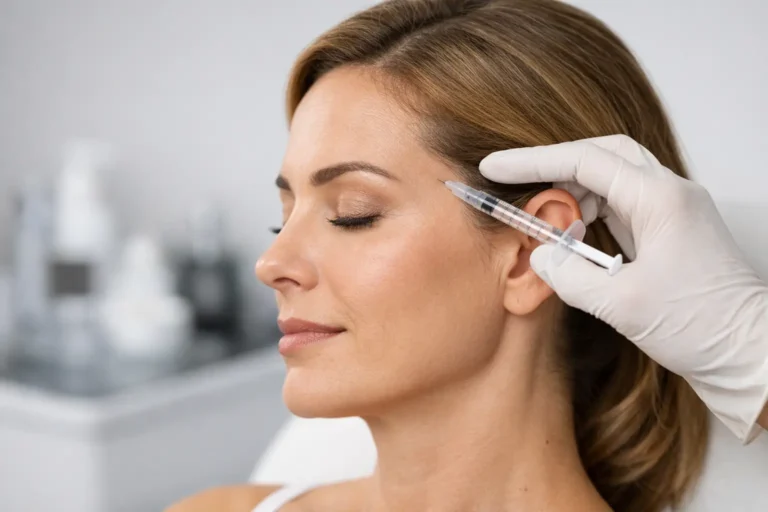
Your appointment begins with an assessment of your facial structure, skin condition, movement, and aesthetic goals. An experienced nurse practitioner injector will evaluate both sides of the face and discuss the level of correction that fits your features. Photos may be used to guide planning and help track your result over time.
The treatment itself is typically completed in a single appointment. Restylane products often contain lidocaine, a local anesthetic that helps improve comfort during injection. Your provider may also use topical numbing cream, ice, or a cannula technique depending on the treatment plan and anatomy.
Most patients describe pressure, brief pinching, or a sensation of fullness rather than significant pain. Treatment time varies, but cheek filler appointments are often efficient enough to fit into a busy schedule. You may see an immediate improvement, although the final appearance becomes clearer after initial swelling settles.
Recovery and Social Downtime
There is usually little true downtime after cheek filler, but temporary swelling, tenderness, redness, or bruising can occur. These effects are typically mild and improve over several days. If you have a wedding, photoshoot, presentation, or important event, scheduling treatment at least two weeks beforehand gives your skin time to settle.
Your injector will provide individualized aftercare instructions. In general, patients are commonly advised to avoid strenuous workouts, excessive heat, and alcohol for a short period after treatment, particularly if they are prone to swelling or bruising. Avoid pressing or massaging the area unless your provider specifically instructs you to do so.
How Long Does Restylane Cheek Filler Last?
Longevity varies by the Restylane formula used, the amount placed, your metabolism, facial movement, and the level of correction needed. Many patients enjoy results for approximately 12 months or longer, though this is not a guarantee. Some people choose a maintenance appointment before the filler has fully worn off to preserve a consistent contour.
Cheek filler often lasts longer than filler in highly mobile areas because the midface does not move as constantly as the lips or mouth. Still, it is best to think of filler as a treatment plan rather than a permanent change. A conservative first session can be an excellent way to evaluate how you like the enhancement before adding more volume later.
Natural Results Depend on More Than the Product
Restylane is a respected filler brand, but the product alone does not determine the outcome. Cheek anatomy is complex, and injecting too much product, placing it at the wrong depth, or treating only one area of the face can lead to an unnatural result.
The most refined outcomes come from a provider who understands facial proportions, recognizes when less is more, and develops a plan around the individual patient rather than a one-size-fits-all number of syringes. For some faces, a small amount of structured support high on the cheekbone creates the best improvement. For others, restoring the central cheek or treating adjacent areas may be more appropriate.
At LightTouch Med Spa, patients can discuss their goals with experienced aesthetic providers in a medically guided setting. Whether you are new to filler or refining a maintenance routine, your treatment should be based on your features, comfort level, and desired degree of change.
Important Safety Considerations
Dermal fillers are medical treatments and should be performed by qualified, properly trained injectors who understand facial anatomy and complication management. While most side effects are temporary and mild, filler carries risks including bruising, infection, asymmetry, lumps, delayed inflammatory reactions, and rare but serious vascular complications.
Tell your provider about your medical history, allergies, medications, previous filler treatments, and any active skin conditions. Treatment may need to be delayed if you have an active infection, cold sore outbreak near the treatment area, significant inflammation, or certain health concerns. Pregnant or breastfeeding patients should discuss timing and alternatives with their medical provider.
You should contact your injector immediately for unusual or severe pain, blanching or color changes in the skin, visual symptoms, or worsening swelling after treatment. A reputable practice will make sure you understand what is normal, what requires follow-up, and how to reach the team if you have concerns.
Choosing Your Cheek Filler Plan
The best cheek filler treatment is rarely about chasing a dramatic transformation. It is about restoring the support and contour that helps your face look rested, balanced, and confidently yours. A personalized consultation can clarify whether Restylane cheek filler is the right option, how much correction makes sense, and how to plan around your schedule, budget, and aesthetic goals.
When the goal is natural-looking enhancement, choose a provider who listens closely, treats conservatively when appropriate, and values facial harmony over trends.
Read More LightTouch Med Spa Articles