Can Neuromodulators Stop Sweating? What to Know
A fresh shirt can feel like a small victory when underarm sweating has dictated your wardrobe, meetings, photos, or social plans. So, can neuromodulators stop sweating? For many people with excessive underarm sweating, they can significantly reduce it for months at a time – without surgery or daily medication.
Neuromodulator injections are best known for softening expression lines, but their ability to temporarily quiet overactive sweat glands makes them a highly effective treatment for hyperhidrosis. The goal is not to stop your body from cooling itself altogether. It is to reduce excessive, confidence-disrupting sweat in a specific treatment area.
How neuromodulators reduce excessive sweating
Sweating is controlled by signals between nerves and sweat glands. In people with hyperhidrosis, those signals can be overactive, causing sweat production that feels out of proportion to the temperature, activity level, or situation.
When a qualified medical injector places a neuromodulator in the skin of the underarms, the treatment temporarily blocks the chemical messenger that tells sweat glands to turn on. With fewer signals reaching those glands, sweat production decreases in the treated area.
Botox Cosmetic, Dysport, Xeomin, and similar injectable products are all neuromodulators, but treatment selection matters. Botox is FDA-approved for severe primary axillary hyperhidrosis, meaning excessive underarm sweating without another underlying medical cause. Your provider will recommend the most appropriate product and dosing approach based on your concerns, medical history, and treatment area.
Can neuromodulators stop sweating completely?
Results vary, but many patients experience a dramatic reduction in underarm sweating rather than total elimination. That distinction matters. A successful treatment may mean wearing a light-colored top without worrying about visible marks, feeling more comfortable during a presentation, or no longer planning every outfit around sweat protection.
You will still sweat normally in other areas of the body as needed for temperature regulation. Treating the underarms does not cause the body to dangerously “trap” sweat, and most patients do not experience compensatory sweating elsewhere. The treatment works locally, where it is injected.
For people whose sweating is mild or occasional, clinical-strength antiperspirants may be enough. But if you have tried stronger deodorants, changed fabrics, carried extra shirts, or avoided certain situations because of sweat, injectable treatment can be a more meaningful next step.
When excessive sweating may be hyperhidrosis
Hyperhidrosis is more than getting sweaty after a workout or during a humid Orlando afternoon. It may be worth discussing with a medical provider if you sweat through clothing while sitting still, frequently need to change shirts, avoid handshakes or close social contact, or find that sweating interferes with work and daily life.
Underarm hyperhidrosis is a common concern, but excessive sweating can also affect the hands, feet, scalp, face, and other areas. Neuromodulators may be considered for some of these areas, although treatment plans, comfort considerations, and expected results are different. Hands and feet, for example, can be more sensitive to treat and may require careful discussion of functional risks.
What happens during a sweat-reduction treatment?
The appointment is straightforward and typically quick. Your injector begins by discussing your symptoms, medical history, medications, prior treatments, and goals. If your sweating started suddenly, occurs at night, or comes with other symptoms, you may need evaluation by your primary care physician before elective treatment. Excessive sweating can occasionally be related to medications, hormonal changes, thyroid conditions, infections, or other health concerns.
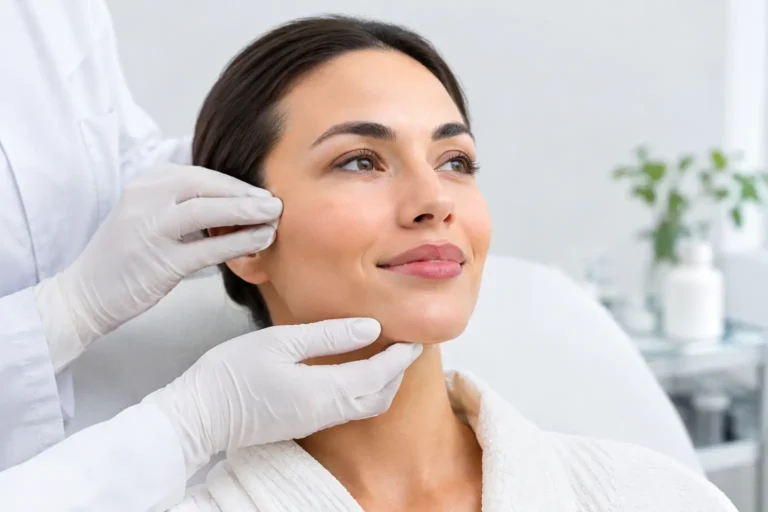
For appropriate candidates, the underarm area is cleaned and mapped with a series of small injection points. A fine needle is used to place the neuromodulator just beneath the skin, targeting the sweat glands. Most patients describe brief pinches rather than significant discomfort. Topical numbing options may be available for those who prefer additional comfort.
There is usually no downtime. You may notice minor redness, pinpoint marks, or tenderness at the injection sites, but these effects typically resolve quickly. Your provider will give you personalized aftercare instructions, which may include avoiding intense exercise, heat exposure, or underarm massage for a short period.
When will you see results, and how long do they last?
Sweat reduction is not usually immediate. Many patients begin noticing improvement within several days, with results continuing to develop over the following one to two weeks. Planning treatment ahead of a wedding, vacation, major work event, or Florida’s warmer months gives your body time to respond before the occasion.
For underarm hyperhidrosis, results often last around four to six months, though some people enjoy benefits longer and others metabolize treatment sooner. Your personal duration can depend on your body, the product used, dosage, severity of sweating, and whether you have had treatment before.
Maintenance appointments are part of the appeal. Once you know how your body responds, you can schedule touch-ups around seasons, events, or the return of symptoms. Regular treatment should always be guided by an experienced injector who can assess your response and adjust the plan appropriately.
Benefits beyond staying dry
The visible benefit is obvious: fewer sweat marks on clothing. But the real impact is often more personal. Patients commonly seek treatment because sweating has become a constant distraction. They want to wear fitted clothes, silk, bright colors, or business attire without anxiety. They want to lift an arm in a photo, sit through a dinner date, or step into a client meeting without checking their underarms first.
Reducing excessive sweating can also cut down on the irritation that comes from frequent antiperspirant use and repeated clothing changes. It may make getting dressed feel simpler, especially for professionals, performers, and anyone who spends long days on the go.
At LightTouch Med Spa, hyperhidrosis treatment is approached with the same medically guided planning used for aesthetic injectables. Your concerns, comfort, and desired level of improvement should shape the treatment plan – not a one-size-fits-all injection pattern.
Who should consider a different approach?
Neuromodulator treatment is not the right fit for everyone. You should tell your provider if you are pregnant or breastfeeding, have a history of neuromuscular disorders, have an infection or rash in the treatment area, or have had an allergic reaction to a neuromodulator or its ingredients. Certain medications and health conditions may also affect eligibility.
The cause of sweating matters, too. If symptoms are new, widespread, associated with night sweats, or accompanied by unexplained weight changes, fever, palpitations, or fatigue, seek medical evaluation rather than assuming it is primary hyperhidrosis.
Cost is another practical consideration. Insurance coverage for hyperhidrosis treatment varies widely and may require documentation of medical necessity or prior treatment attempts. A consultation can clarify pricing, expected maintenance, and available financing before you commit.
Choosing the right injector for hyperhidrosis treatment
Treating excessive sweat is medically straightforward in experienced hands, but it is still a prescription injectable procedure. The skill of the injector affects your comfort, the accuracy of placement, and how naturally the treatment fits your needs.
Look for a credentialed medical provider who understands both neuromodulator products and hyperhidrosis protocols. They should be willing to ask about your symptoms, review possible underlying causes, explain realistic results, and discuss side effects rather than promising that every patient will be completely sweat-free.
For the right candidate, neuromodulator treatment can turn excessive underarm sweating from a daily concern into something you barely think about. A thoughtful consultation is the place to start – especially if staying dry would help you feel more comfortable, polished, and confident in the moments that matter.
Read More LightTouch Med Spa Articles