How to Treat Razor Bumps and Prevent Them
Razor bumps can make a close shave feel like a setback. The red, tender bumps that appear along the bikini line, underarms, face, neck, or legs are not simply a skincare inconvenience – they can lead to dark marks, irritation, and a frustrating cycle of shaving over already inflamed skin. Knowing how to treat razor bumps starts with calming the area, avoiding further friction, and changing the hair-removal routine that caused them.
What Razor Bumps Actually Are
Razor bumps, medically known as pseudofolliculitis barbae, occur when a shaved hair grows back into the skin instead of outward. Your body sees that trapped hair as an irritant, which triggers redness, swelling, and sometimes small pus-filled bumps. They are especially common in areas with coarse or curly hair because the hair is more likely to curve back toward the skin as it grows.
They can look similar to acne or folliculitis, an inflammation or infection of the hair follicle. The distinction matters. A few bumps after shaving often improve with gentle home care. Painful, spreading, warm, or draining bumps need professional evaluation, particularly if they keep returning.
People with deeper skin tones also have an added concern: post-inflammatory hyperpigmentation. Even after the bump is gone, the area may retain a darker mark for weeks or longer. Aggressive scrubbing, picking, and repeated close shaving can make both the irritation and discoloration more noticeable.
How to Treat Razor Bumps Without Making Them Worse
The first step is simple but important: pause hair removal on the affected area until the skin settles. Continuing to shave, wax, or use depilatory creams over inflamed follicles can drive hairs further into the skin and extend recovery. If you need to groom, carefully trim the hair rather than shaving it down to the skin.
Use a cool compress for 10 to 15 minutes at a time to ease discomfort and visible redness. Follow with a gentle, fragrance-free moisturizer or a soothing product designed for compromised skin. Avoid heavily fragranced body products, alcohol-heavy aftershaves, and abrasive scrubs while bumps are active. They may feel refreshing at first, but they can intensify irritation.
A mild chemical exfoliant can help release trapped hairs once the skin is no longer raw or open. Salicylic acid is oil-soluble and can help clear around the follicle, while glycolic or lactic acid can improve rough texture and support more even-looking tone. Start slowly, using one active product a few times per week rather than layering multiple acids every day.
For short-term inflammation, an over-the-counter 1% hydrocortisone cream may reduce itching and redness when used as directed. This is not a long-term solution, and it should not be used on broken skin or for extended periods without guidance from a medical professional. If bumps are persistent, a clinician may recommend a prescription topical retinoid, antibiotic, or other treatment based on whether ingrown hairs, inflammation, acne, or infection is the primary issue.
Most importantly, do not pick or squeeze razor bumps. It is tempting when you can see a trapped hair, but digging for it with tweezers or fingernails can create a wound, introduce bacteria, and increase the chance of scarring or dark spots.
Change the Shave That Is Causing the Problem
Treatment helps current bumps heal. Prevention depends on reducing the chance that newly cut hairs will become trapped. The closest possible shave is not always the kindest option for skin that is prone to ingrowns.
Start with warm water and a lubricating shaving cream or gel. Shaving dry, rushing through the process, or using a thin layer of soap creates more drag on the skin. Let the product sit for a minute or two to soften the hair, especially in sensitive areas such as the bikini line or beard area.
Use a clean, sharp razor. A dull blade pulls at the hair instead of cutting it cleanly, while an old blade can collect product buildup and bacteria. For people who get frequent bumps, a single-blade razor or electric trimmer may be a better choice than a multi-blade cartridge. Multi-blade razors can cut hair below the skin surface, which creates a very close result but can increase the likelihood of ingrown hairs during regrowth.
Shave in the direction of hair growth and use light pressure. Going against the grain may look smoother for a day, but it is a common trigger for razor bumps. Rinse the blade after each pass, resist repeated passes over the same spot, and finish by rinsing with cool water. Apply a gentle moisturizer afterward, then give the area time before wearing tight clothing that can trap sweat and create friction.
For the face and neck, avoid stretching the skin tight while shaving. When the skin relaxes, the hair may retract beneath the surface and become more likely to grow inward. For the bikini area, consider whether a neat trim is an acceptable alternative to a completely bare result. This small adjustment can make a significant difference for sensitive skin.
When Exfoliation Helps and When It Does Not
Exfoliation is useful for preventing dead skin cells from trapping hair, but more is not better. Physical scrubs, loofahs, dry brushes, and exfoliating gloves can be too aggressive on a freshly shaved area. If skin is burning, visibly irritated, or covered with active bumps, skip exfoliation until it has calmed down.
For ongoing prevention, gentle chemical exfoliation two to three times a week is often more controlled than harsh scrubbing. It depends on your skin type, current routine, and treatment area. Someone using prescription retinoids, strong acne products, or professional resurfacing treatments may need a simpler routine to avoid over-exfoliation.
Daily sunscreen also deserves a place in any routine for exposed areas such as the face, jawline, neck, and legs. Sun exposure can make post-inflammatory dark spots linger longer, even after the ingrown hairs have resolved.
Consider Laser Hair Removal for Recurrent Razor Bumps
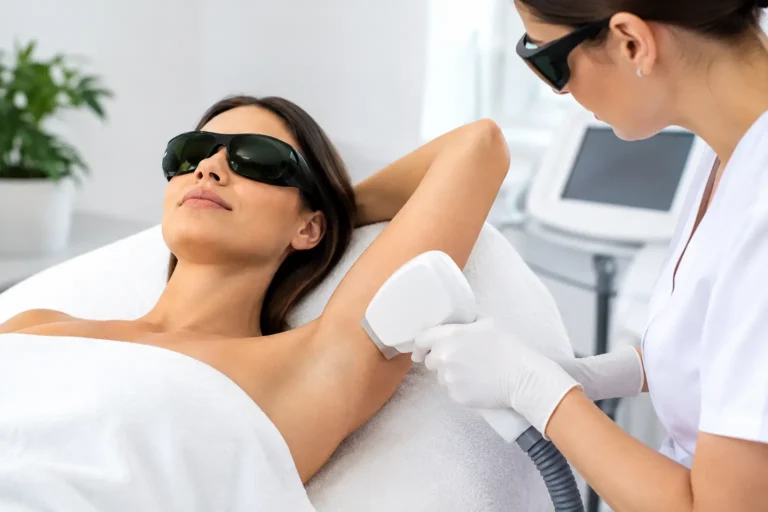
If you are constantly treating razor bumps only to have them return after the next shave, laser hair removal can be a more lasting strategy. Instead of repeatedly cutting hair at the skin’s surface, laser treatments target pigment in the follicle to reduce future hair growth. With less hair and slower regrowth, many patients experience fewer ingrown hairs, less irritation, and smoother-looking skin over a series of treatments.
Laser hair removal is especially worth considering for recurring bumps on the bikini line, underarms, beard area, chest, back, and legs. It is not an overnight fix, and several appointments are typically needed because hair grows in cycles. Treatment plans also vary based on hair color, hair density, skin tone, and the area being treated.
Safety and device selection matter. A qualified medical aesthetic provider can assess your skin and hair, explain realistic expectations, and choose settings appropriate for you. At LightTouch Med Spa in Orlando, laser hair removal is planned around both effective reduction and patient comfort, making it a strong option for clients who are tired of building their schedule around razor irritation.
When to See a Medical Professional
Make an appointment if bumps do not improve after one to two weeks of gentle care, if they recur frequently, or if you are left with persistent dark marks or scars. You should also seek care for severe pain, increasing swelling, fever, spreading redness, thick drainage, or large cyst-like bumps. These signs can point to infection or another skin condition that needs more than a change in shaving technique.
A professional consultation is also useful when the problem is affecting your confidence or making hair removal feel like a constant compromise. The right plan may include medical-grade skincare, targeted treatment for discoloration, or a longer-term hair-reduction option tailored to your skin.
Your skin should not have to pay the price for feeling groomed. Give active bumps time to heal, choose a gentler approach to hair removal, and consider a solution that helps you spend less time managing irritation and more time feeling comfortable in your skin.
Read More LightTouch Med Spa Articles