Does Laser Hair Removal Hurt? What to Expect
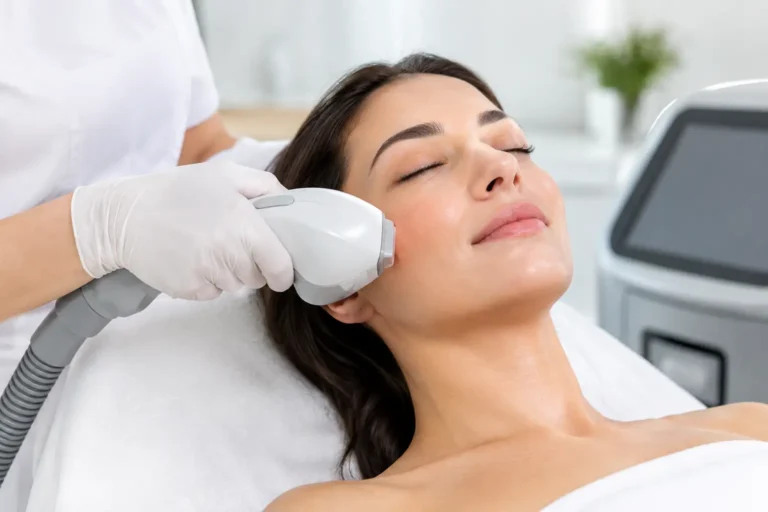
For most people, does laser hair removal hurt is the first question that comes up right after, “Will it really work?” The honest answer is that you will likely feel something, but modern laser hair removal is typically very manageable. Many patients compare each pulse to the quick snap of a rubber band against the skin, followed by a brief feeling of warmth.
That sensation lasts seconds, not minutes. With the right technology, skin cooling, and an experienced provider adjusting settings for your skin and hair type, treatment can be far more comfortable than waxing, epilating, or repeatedly dealing with razor burn. The goal is not to push through unnecessary discomfort. It is to create a treatment plan that delivers visible, lasting hair reduction while keeping your experience as comfortable as possible.
Does Laser Hair Removal Hurt More Than Waxing?
Laser hair removal and waxing create very different sensations. Waxing removes many hairs at once by pulling them from the root. The discomfort can be sharp and lingering, especially on sensitive areas, and every appointment requires the hair to grow out first.
Laser treatment sends concentrated energy into the pigment in the hair follicle. You may feel a quick snap or tiny pinprick with each pulse, but the sensation stops as soon as the pulse is over. There is no strip being pulled off the skin and no need to wait for a full amount of regrowth before your next session.
For many patients, the biggest advantage is cumulative. Laser hair removal is designed to reduce active hair growth over a series of treatments. As hair becomes finer and less dense, future appointments often feel easier and move more quickly. Individual results vary, but patients commonly find that the inconvenience and discomfort of constant shaving or waxing becomes much less of a factor over time.
What Laser Hair Removal Actually Feels Like
The feeling depends on the body area, your hair density, your personal sensitivity, and the laser settings needed to treat you safely and effectively. A qualified provider should never take a one-size-fits-all approach. Your skin tone, hair color, medical history, recent sun exposure, and treatment goals all matter.
Most patients describe laser hair removal as a series of fast, warm snaps. Some areas may feel barely noticeable, while others are more intense for a moment. Cooling technology makes a meaningful difference by protecting the skin and reducing the heat sensation during treatment.
You may also feel mild warmth, similar to a light sunburn, for a few hours afterward. Temporary redness or small bumps around follicles can happen, particularly in denser-hair areas. This is generally a normal short-term response and should settle quickly with proper aftercare.
Which Areas Are Most Sensitive?
Areas with thinner skin, dense hair, or more nerve endings tend to be more sensitive. The upper lip, bikini line, Brazilian area, underarms, and lower legs are common examples. By comparison, larger areas such as the arms, back, or thighs may feel more tolerable, although treatment time can be longer.
Sensitivity is personal. A patient who finds the underarms easy may feel more sensitivity on the bikini line, while someone else may have the opposite experience. Hormonal factors, stress, sleep, and where you are in your menstrual cycle can also affect how your body perceives discomfort.
That does not mean sensitive areas are off-limits. It simply means your provider should use thoughtful settings, effective cooling, and clear communication throughout the appointment.
Why the Right Laser and Provider Matter
Comfort is not only about pain tolerance. It is also about treatment quality. A laser must be appropriately selected and calibrated for your skin type and hair characteristics. Settings that are too low may not produce meaningful results. Settings that are too aggressive can create avoidable discomfort and increase the risk of skin irritation.
At a medically guided practice, your treatment begins with an assessment rather than a generic menu selection. The provider can determine whether laser hair removal is appropriate for you, identify areas that may need a more conservative approach, and create a schedule based on your hair-growth cycle.
This is especially relevant for deeper skin tones, patients with a history of hyperpigmentation, and anyone using medications or skincare products that can make skin more sensitive. Expertise supports both comfort and safety. A quality consultation should include honest answers about expected sensations, realistic results, preparation, and aftercare.
How to Make Laser Hair Removal More Comfortable
A little preparation can make a noticeable difference. Arrive with clean, freshly shaved skin unless your provider gives you different instructions. Shaving keeps the laser energy focused below the skin’s surface, where the follicle is, rather than on visible hair above it.
Avoid waxing, tweezing, threading, or epilating before your course of treatments because these methods remove the hair root the laser needs to target. You should also avoid tanning and prolonged direct sun exposure before treatment. Tanned or irritated skin can be more sensitive and may require your appointment to be adjusted or postponed.
On treatment day, skip fragranced lotions, deodorant on areas being treated, and active products that could irritate the skin. If you are concerned about a particular area, say so before the session begins. Your provider may be able to use additional cooling, break the area into smaller sections, or pause as needed.
For patients who are particularly anxious, ask during your consultation what comfort options are appropriate for the treatment area and your health history. Do not apply numbing cream on your own unless your provider specifically recommends it. Proper timing and instructions matter.
Aftercare Helps, Too
After treatment, keep the skin cool and calm. Use a cool compress if needed, wear loose clothing over sensitive body areas, and avoid hot showers, saunas, strenuous exercise, and direct sun for the period recommended by your provider. Heat and friction can make temporary redness feel more noticeable.
Do not pick, scrub, or exfoliate treated skin immediately afterward. In the days following treatment, treated hairs may appear to grow before they shed. This is a normal part of the process, not a sign that the laser did not work.
Is Laser Hair Removal Worth the Temporary Sensation?
For patients tired of daily shaving, ingrown hairs, razor bumps, and recurring wax appointments, the answer is often yes. Laser hair removal requires a series of sessions because hair grows in cycles, and the laser is most effective when a follicle is in its active growth phase. It is a commitment, but it can significantly simplify your routine.
The trade-off is straightforward: a brief sensation during each session in exchange for the potential of long-term hair reduction and smoother skin. That can be especially valuable before a beach vacation, wedding, athletic season, or simply for feeling more confident in your own skin without arranging your life around hair removal.
No reputable provider should promise that every treatment will feel identical or that everyone will be completely pain-free. Your comfort level, body area, hair density, and treatment settings all play a role. What you should expect is a professional team that listens, explains what is happening, and treats comfort as part of a high-quality result.
If unwanted hair has become a source of frustration, a personalized consultation at LightTouch Med Spa can replace guesswork with a clear plan. The best first step is not trying to predict your pain tolerance – it is finding an experienced provider who can make the process feel informed, controlled, and worth it.
Thinking about your first session? See how our Orlando laser hair removal treatments work with the Soprano® laser, and read our breakdown of laser hair removal cost in Orlando.
Read More LightTouch Med Spa Articles