How to Reduce Wrinkles Effectively
Fine lines tend to show up in the mirror before they show up in your mindset. One day your makeup settles differently, your forehead looks more active in photos, or those smile lines linger after your expression relaxes. If you are wondering how to reduce wrinkles, the answer is rarely one product or one treatment. The best results come from matching the right solution to the type of wrinkle, your skin quality, and how quickly you want to see improvement.
Wrinkles are not all created equal. Some come from repeated muscle movement, some from sun damage and collagen loss, and some from volume loss that makes the skin look less supported. That is why a personalized plan matters. A cream that helps with texture will not relax deep expression lines, and injectables that soften frown lines will not fully correct rough skin or crepey areas on their own.
How to reduce wrinkles based on the cause
The most effective wrinkle treatment starts with understanding what is driving it. Dynamic wrinkles form from facial movement. These are the lines that appear when you raise your brows, squint, or frown. Over time, they can etch into the skin and become visible even at rest.
Static wrinkles are different. These are linked more closely to collagen breakdown, sun exposure, slower cell turnover, and thinning skin. You often see them around the mouth, cheeks, lower face, and neck. In many patients, there is also a volume component. As the face loses structural support with age, folds and shadows become more noticeable.
This distinction matters because the treatment plan often combines approaches. Neuromodulators can help reduce muscle-driven lines, while resurfacing treatments and medical-grade skincare can improve texture and skin quality. Dermal fillers or biostimulatory options may be the better fit when wrinkles are being worsened by facial volume loss.
Daily habits that help reduce wrinkles
If you want smoother skin that lasts, prevention and maintenance have to be part of the conversation. Sun exposure remains one of the biggest reasons skin ages faster than it should. Daily broad-spectrum sunscreen is not glamorous, but it is one of the most effective ways to slow the formation of fine lines, discoloration, and rough texture.
Skincare also matters, especially when it is consistent. Retinoids help support cell turnover and collagen production. Antioxidants can help defend against environmental stress. Hydrating ingredients improve the look of superficial dehydration lines, which can make the face appear older even when deeper wrinkles are mild.
That said, there is a limit to what topical products can do. Skincare can improve early signs of aging and support results after treatment, but it will not produce the same change as injectables or energy-based procedures when wrinkles are already established. This is where expectations should stay realistic. Good skincare is essential, but it is often the foundation, not the full solution.
Injectable treatments for expression lines
For forehead lines, crow’s feet, and frown lines, wrinkle relaxers are often the fastest and most predictable option. Botox, Dysport, and Xeomin work by reducing the muscle activity that causes repeated folding in the skin. When placed well, the result is a smoother, more refreshed appearance that still looks natural.
These treatments are especially useful for people who notice they look tired, tense, or angry even when they feel fine. They can also work preventively in younger patients who are starting to see expression lines linger longer than they used to.
Results are not permanent, and that is part of the trade-off. Most patients need maintenance treatments every few months to keep lines softened. Placement and dosing also matter. Too little may leave movement that continues to crease the skin, while too much can look heavy in the wrong hands. Experience makes a difference here.
When filler helps reduce wrinkles
Not every wrinkle should be treated with a wrinkle relaxer. If the problem is lost support in the midface, deepening smile lines, marionette lines, or thinning around the mouth, filler may be the better approach. Products such as Juvederm and Restylane can restore structure and soften folds in a way that looks balanced rather than overdone.
The key is restraint and anatomy-based planning. Overfilling does not create a younger look. Strategic placement can. In some cases, adding support in the cheeks can improve lower-face wrinkles more effectively than placing product directly into the fold itself.
There is also a difference between immediate volume replacement and collagen stimulation. Some patients benefit from biostimulatory injectables like Sculptra, which work more gradually by encouraging collagen production over time. This can be ideal for diffuse facial aging, but it requires patience. If you want a same-day change, traditional filler may be more satisfying.
Resurfacing treatments for texture and etched lines
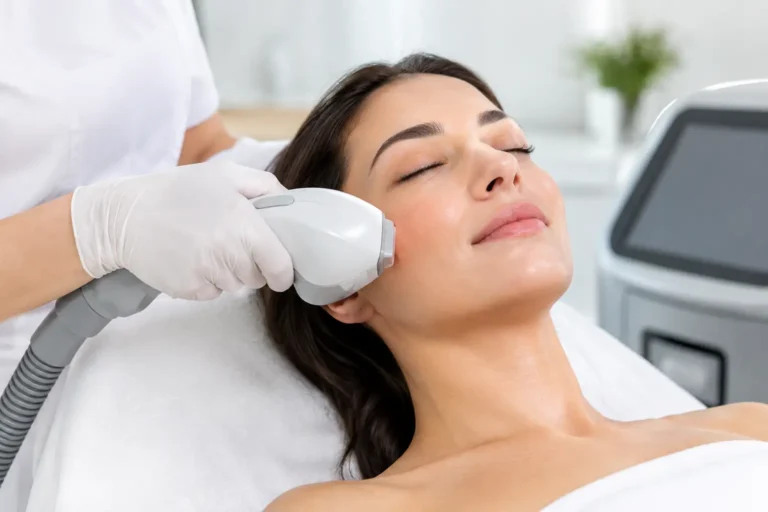
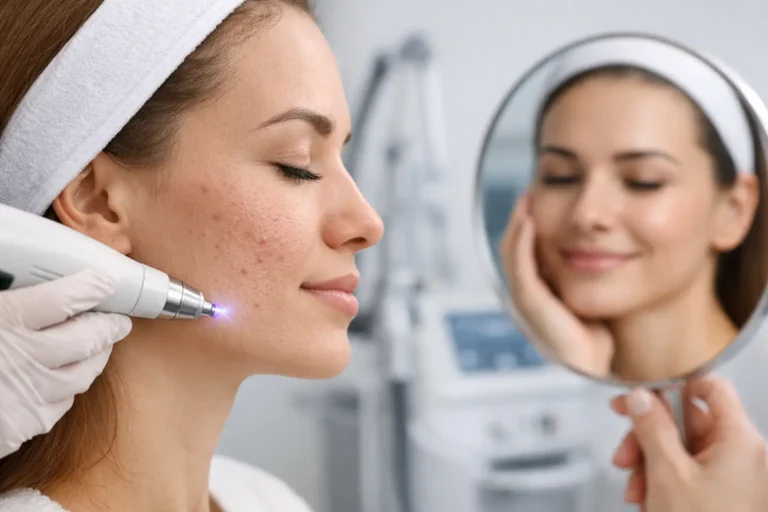
If your skin feels rough, crepey, or sun-damaged, resurfacing can make a major difference. This category includes treatments such as Opus Plasma skin resurfacing, chemical peels, and microneedling. These procedures target the quality of the skin itself rather than just facial movement or volume.
Resurfacing is often the missing piece for patients who say, “I still look older than I want to, even after injectables.” That is because wrinkles are not only about depth. They are also about texture, tone, elasticity, and light reflection. Smoother skin tends to look fresher and healthier, even before makeup.
The right treatment depends on your skin type, downtime tolerance, and goals. Microneedling is popular for patients who want collagen support with moderate downtime. Chemical peels can improve surface texture and discoloration. Plasma resurfacing can be a stronger option for more noticeable fine lines and overall rejuvenation. The stronger the treatment, the more recovery you should expect, so it is worth discussing your calendar before committing.
How to reduce wrinkles around the eyes and mouth
The eye area and mouth area usually need a more tailored plan because the skin is thinner and movement is constant. Crow’s feet often respond well to neuromodulators, but under-eye crepiness may be better addressed with skin rejuvenation treatments and supportive skincare.
Around the mouth, the answer depends on what you are seeing. Vertical lip lines can come from repetitive puckering, collagen loss, and sun exposure. Smile lines may be more about support loss than the lines themselves. Marionette lines can reflect changes in the corners of the mouth, the chin, or the lower face.
This is why one-size-fits-all treatment plans tend to disappoint. A careful assessment often leads to a layered approach, combining a wrinkle relaxer, filler, and resurfacing over time rather than trying to force one treatment to do everything.
What to expect from a treatment plan
Patients often ask for the single best wrinkle treatment, but that is not how real skin aging works. The better question is what will give you the most noticeable improvement for your specific concerns. For some, that means starting with Botox or Dysport because expression lines are the main issue. For others, skin texture is aging them more than muscle movement, so resurfacing comes first.
A consultation should look at facial movement, skin quality, volume loss, and lifestyle. It should also account for comfort level, budget, and downtime. There is no value in recommending an aggressive resurfacing plan if you cannot take a few days away from social events or work. Results-driven treatment planning should still fit real life.
At a medically guided practice like LightTouch Med Spa, that kind of planning is what keeps results natural. The goal is not to erase every line at all costs. It is to create smoother, healthier-looking skin in a way that still looks like you.
How to maintain wrinkle reduction results
Once you see improvement, maintenance matters. Skin keeps aging, sun keeps accumulating, and facial movement does not stop. Most patients get the best long-term outcome when they combine periodic in-office treatments with consistent home care.
That may mean regular neuromodulator appointments, occasional resurfacing, and a skincare regimen built around sunscreen, retinoids, hydration, and antioxidant support. If you smoke, if you spend a lot of time outdoors, or if you are chronically under-sleeping, those factors can work against your results. Lifestyle does not replace treatment, but it absolutely affects how long your skin holds onto the benefits.
Wrinkle treatment works best when you stop looking for a magic fix and start looking for the right combination. The most natural, confidence-boosting results usually come from treating the cause, respecting the skin, and choosing options that fit both your face and your life.
Read More LightTouch Med Spa Articles