Best Treatments for Crepey Skin That Work
Crepey skin can make an area look older than it feels. The fine, crinkled texture often shows up on the neck, chest, upper arms, hands, knees, and around the eyes, where skin is naturally thinner and has less structural support. The best treatments for crepey skin do more than temporarily moisturize the surface. They focus on rebuilding collagen, improving texture, restoring support where appropriate, and protecting the skin from further damage.
There is no single treatment that is right for every area or degree of laxity. A thoughtful plan should account for where the crepey texture appears, whether sun damage or volume loss is involved, your skin tone, and how much downtime you can accommodate. For many patients, the most natural-looking improvement comes from pairing an in-office collagen treatment with a consistent medical-grade skincare routine.
Why Crepey Skin Develops
Skin gets its smooth, resilient appearance from collagen, elastin, hydration, and a healthy outer barrier. With age, collagen production slows and existing fibers become less organized. Sun exposure accelerates that process, particularly in Florida, where the neck, chest, arms, and hands receive frequent incidental UV exposure.
Weight loss, genetics, smoking, dehydration, and hormonal changes can also make crepey texture more noticeable. In some areas, volume loss underneath the skin creates a deflated appearance that makes fine wrinkling look more pronounced. This is why treating crepey skin is rarely just about applying a richer moisturizer.
It is also useful to set a realistic expectation: non-surgical treatments can improve skin quality, firmness, and texture, but they cannot remove large amounts of loose skin. When laxity is significant, a surgical consultation may be the more effective path. For mild to moderate crepiness, however, modern aesthetic treatments can create meaningful, gradual improvement.
Best Treatments for Crepey Skin
Opus Plasma skin resurfacing
For patients who want a stronger collagen-stimulating option with less downtime than traditional aggressive resurfacing, Opus Plasma can be an excellent choice. This treatment creates controlled micro-injuries in the skin using plasma energy, encouraging the body to produce new collagen and remodel the skin over time.
Opus Plasma is particularly well suited to crepey texture on the face, neck, chest, and other areas where fine lines and uneven tone accompany laxity. The skin may look pink and feel warm afterward, followed by a few days of dryness or a sandpaper-like texture as it renews. Results build gradually, with a series of treatments often recommended for the most visible change.
The trade-off is that resurfacing requires diligent aftercare. Sun avoidance and broad-spectrum SPF are non-negotiable while the skin heals. Patients with certain skin conditions, active infections, or a history of abnormal scarring should be evaluated carefully before treatment.
Microneedling for gradual collagen renewal
Microneedling uses tiny sterile needles to create controlled channels in the skin. This signals the natural repair process and supports collagen and elastin production without removing the surface layer of skin. It is a versatile option for early crepey texture, enlarged pores, fine lines, and mild acne scarring.
Because it is less aggressive than some resurfacing treatments, microneedling may be a good fit for patients who prefer minimal downtime or want a series-based approach. Skin typically appears red for a short period, similar to a mild sunburn. Improvements are progressive rather than immediate, and consistency matters. A treatment series paired with quality skincare generally produces more compelling results than one appointment alone.
Microneedling does not add lost volume, and it may not be enough for advanced skin laxity. Still, for patients who want smoother-looking skin and a fresher texture without a major recovery period, it is a proven starting point.
Chemical peels for surface texture and sun damage
A professional chemical peel can improve dullness, roughness, uneven pigment, and superficial fine lines that make skin look crepey. Peels use carefully selected acids to accelerate exfoliation and stimulate healthier skin renewal. The ideal peel depends on the treatment area, sensitivity level, pigment concerns, and desired downtime.
Light peels can refresh the complexion with little visible peeling, while stronger options may create several days of flaking. For crepey skin on the face, chest, or hands, chemical peels can be a valuable part of a broader plan, especially when sun damage is a contributor.
A peel alone is usually not the answer to thinning or lax skin. Think of it as a way to refine the surface. When combined with collagen-building procedures and daily sun protection, it can help the skin look clearer, smoother, and more even.
Sculptra when volume loss is part of the problem
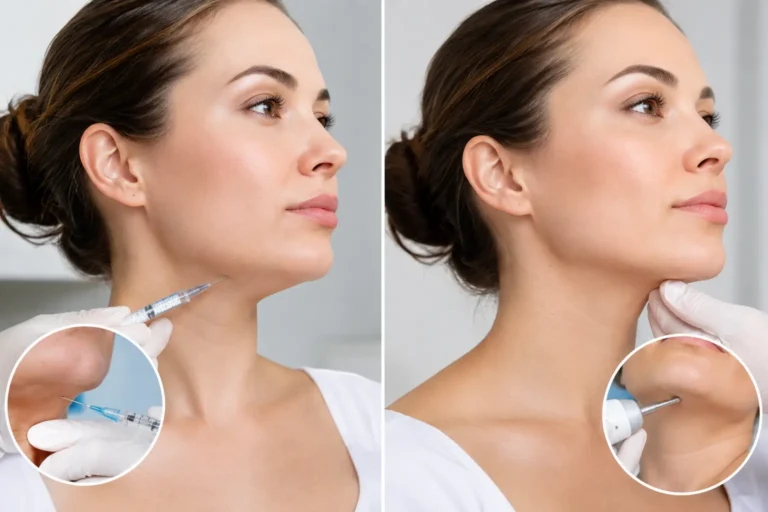
Some areas look crepey because the skin has lost the support beneath it. In the right patient, Sculptra can address this deeper component by stimulating the body’s own collagen production over time. Rather than acting like a conventional gel filler, it is designed for gradual, natural-looking volume restoration.
Sculptra is commonly considered for areas of facial volume loss and may be part of a customized treatment strategy when deflation is making wrinkles and laxity more apparent. It is not a direct fix for every thin-skinned area, and it should be administered by an experienced injector who understands appropriate placement and product selection.
The benefit is subtle improvement that develops over several months. The trade-off is patience. Patients looking for an instant change may be better served by a different approach or a combination plan.
Medical-grade skincare that supports every treatment
Professional procedures create an opportunity for change, but your home routine determines how well you protect that investment. The most helpful skincare plans for crepey skin often include a retinoid or retinol to support cell turnover and collagen production, antioxidant protection such as vitamin C in the morning, and barrier-supporting moisturizers with ingredients like ceramides, peptides, glycerin, or hyaluronic acid.
Daily broad-spectrum SPF 30 or higher is essential. UV exposure breaks down collagen, and even the most advanced in-office treatment will struggle to deliver lasting improvement if the treated area is repeatedly exposed without protection. For the chest, arms, and hands, sunscreen should be as routine as facial skincare.
Retinoids can cause dryness or irritation at first, especially on the neck and chest. Starting slowly and using a moisturizer can make the transition more comfortable. Patients who are pregnant, breastfeeding, or managing certain skin conditions should ask a medical provider before starting a retinoid.
Hydrafacial for hydration and healthy-looking skin
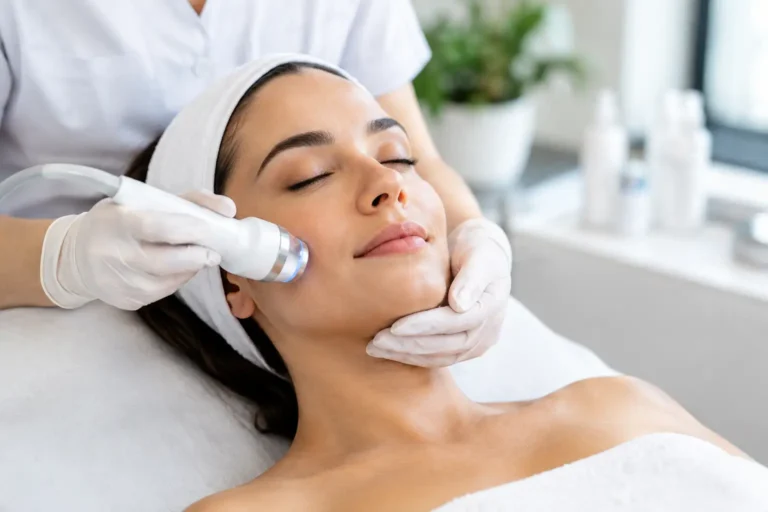
When crepey skin is dehydrated, its fine lines can appear more obvious. A Hydrafacial deeply cleanses, exfoliates, and infuses hydration, leaving the skin smoother and more refreshed. It is not a collagen-rebuilding substitute for resurfacing or microneedling, but it can be a valuable maintenance treatment and a welcome boost before an event.
For patients with dry, dull, or congested skin, regular Hydrafacial treatments can help improve the look of the skin barrier while supporting a comprehensive rejuvenation plan. The immediate glow is a benefit, but the best results come when hydration is paired with treatments that address the deeper causes of crepiness.
Choosing the Right Treatment Area by Area
The treatment that works beautifully on the cheeks may not be appropriate for the neck, chest, or arms. Facial crepiness often benefits from a combination of resurfacing, microneedling, strategic collagen stimulation, and skincare. The neck and chest need careful treatment because the skin can be thinner and more reactive. Arms and hands may need a more individualized approach depending on sun damage, skin looseness, and volume loss.
A qualified aesthetic consultation should include an assessment of skin quality, pigment risk, current products, medical history, and your goals. At LightTouch Med Spa, treatment planning is designed to match the procedure to the concern rather than push a one-size-fits-all solution.
What Results Can You Expect?
Hydrating treatments can make skin look better quickly, while collagen remodeling takes time. With microneedling, Opus Plasma, or Sculptra, improvement often appears gradually over weeks to months as new collagen develops. The skin may look firmer, smoother, and less finely wrinkled, but results vary based on age, treatment area, sun exposure, and the degree of laxity.
Maintenance matters. Many patients continue with periodic collagen-focused treatments, seasonal peels, and a disciplined skincare routine to preserve their results. This is not a short-term fix. It is a practical strategy for improving skin quality and keeping it looking stronger over time.
If crepey skin is affecting how confident you feel in sleeveless clothing, photos, or close-up makeup, a personalized consultation can clarify which approach is likely to give you the most visible return. The right plan starts with an honest assessment, then builds results steadily with treatments your skin can truly benefit from.
Read More LightTouch Med Spa Articles