Microneedling Stretch Marks Results and Recovery
Stretch marks can feel frustrating because they are not simply a surface-level skin concern. They form when the skin stretches faster than collagen and elastin can adapt, leaving visible lines and changes in texture. Microneedling stretch marks treatment is a medically guided option designed to encourage the skin’s own repair response, helping many patients achieve smoother, more even-looking skin over time.
For patients who want visible improvement without surgery or extended downtime, microneedling can be a smart addition to a personalized body rejuvenation plan. The right expectations matter: stretch marks may soften and blend more naturally with surrounding skin, but no treatment can promise to erase them completely.
How Microneedling Helps Stretch Marks
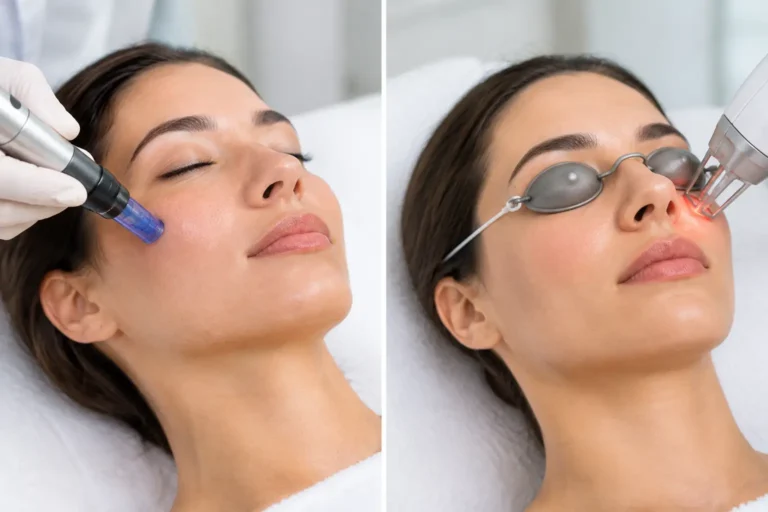
Microneedling uses a device with very fine, sterile needles to create controlled microchannels in the skin. These channels trigger the body’s wound-healing process and stimulate collagen and elastin production, two structural components that support firmer, more resilient-looking skin.
Stretch marks are essentially scars within the dermis, the deeper layer of skin. Topical lotions can help moisturize the area, but they usually cannot significantly remodel established scar tissue. By treating at a controlled depth appropriate for the body area and the marks being addressed, microneedling targets the texture component that makes stretch marks stand out.
Over a series of treatments, patients may notice that indented marks look less pronounced, the skin feels smoother, and color contrast becomes less noticeable. Results vary based on the age, location, depth, and color of the stretch marks, along with your skin type and healing response.
Which Stretch Marks Respond Best?
Newer stretch marks are often red, pink, purple, or reddish-brown, depending on skin tone. These newer marks may respond especially well because they still have more active vascular changes. Older stretch marks are typically lighter, silvery, or white and can also improve with microneedling, although they may require more patience and a more comprehensive treatment plan.
Common areas treated include the abdomen, hips, thighs, buttocks, breasts, upper arms, and lower back. Stretch marks related to pregnancy, weight fluctuations, growth spurts, muscle gain, or hormonal changes can all be considered during a consultation.
A qualified provider will evaluate more than the marks themselves. They should consider your skin tone, history of discoloration or keloid scarring, current medications, recent sun exposure, and any active skin conditions. This helps determine whether microneedling is appropriate and how conservatively treatment should begin.
What a Microneedling Stretch Marks Appointment Feels Like
A professional treatment starts with a careful skin assessment and preparation of the treatment area. A topical numbing cream may be applied beforehand to support comfort, particularly when treating larger body areas or deeper stretch marks.
Once the skin is numb and cleansed, the provider passes the microneedling device over the planned area in a controlled pattern. Most patients describe the sensation as pressure with a vibrating or scratching feeling rather than significant pain. Treatment time depends on the size and number of areas, but many appointments are relatively efficient.
You may see pinpoint bleeding during deeper treatments. This is a normal, controlled response and is very different from an injury to the skin. Afterward, the area can look red and feel warm or tight, similar to a moderate sunburn. Your provider will apply appropriate post-treatment products and explain exactly how to care for the skin at home.
Recovery and Aftercare: What to Plan For
The initial redness and sensitivity usually improve within a few days, though the timeline can vary by treatment intensity and body area. Mild swelling, dryness, flaking, or temporary roughness may occur as the skin recovers. Because stretch mark treatments often involve larger areas than facial microneedling, choosing loose, breathable clothing for the first day or two can make recovery more comfortable.
For the best healing environment, avoid intense workouts, hot tubs, saunas, swimming pools, and excess heat for the period recommended by your provider. Do not use exfoliating acids, retinoids, or fragranced body products on the treated area until you receive clearance. Picking at flaking skin can increase irritation and raise the risk of uneven pigment.
Sun protection deserves special attention in Orlando. Treated skin is more vulnerable to discoloration after UV exposure. Keep the area covered when practical and use a broad-spectrum sunscreen once the skin can tolerate it, following your provider’s post-care instructions. A tan may seem harmless, but it can work against the even-tone results you want.
How Many Treatments Will You Need?
Microneedling works through gradual collagen remodeling, not an overnight change. Many patients benefit from a series of three to six sessions, commonly spaced about four to six weeks apart. More established, deeper, or widespread stretch marks may need additional treatments.
You may see early improvement in skin smoothness within several weeks, but collagen production continues for months after each session. This is why before-and-after comparisons are more meaningful when photos are taken in consistent lighting and reviewed after the full treatment series rather than after one appointment.
Treatment frequency should never be rushed. Skin needs adequate time to heal and produce new collagen between sessions. A recommendation that is right for recent abdominal stretch marks may not be right for longstanding marks on the thighs.
Who Should Wait or Choose Another Option?
Microneedling is not appropriate when there is an active rash, infection, open wound, sunburn, or flare of eczema, psoriasis, or acne in the treatment area. Patients who are pregnant or breastfeeding should discuss timing with their medical provider and aesthetic clinician before scheduling elective body treatments.
A history of abnormal scarring, uncontrolled diabetes, bleeding disorders, immune suppression, or certain medications may also change the recommendation. If you are using prescription skincare, have recently taken oral isotretinoin, or are prone to post-inflammatory hyperpigmentation, share that information during your consultation. This is not about ruling people out unnecessarily. It is about selecting the safest protocol and the treatment that offers the best value for your goals.
Microneedling Versus Other Stretch Mark Treatments
There is no single best treatment for every stretch mark. Microneedling is appealing because it is non-surgical, versatile across many body areas, and focused on collagen renewal. It can be especially valuable for patients whose main concern is texture and shallow indentations.
Laser and plasma-based resurfacing treatments may be considered for certain patients, especially when color correction or a stronger resurfacing effect is a priority. These options can involve different levels of downtime, discomfort, cost, and pigment risk. Some treatment plans combine modalities over time rather than relying on one procedure alone.
Topical retinoids may be helpful for select non-pregnant patients with newer marks, but they are not a substitute for an in-office procedure when texture is the central concern. The best choice depends on your skin, your schedule, the amount of downtime you can accept, and how much improvement you are hoping to see.
Getting Results You Can Feel Confident About
The provider and protocol matter as much as the device. Safe, meaningful treatment requires sterile technique, thoughtful needle-depth selection, quality post-care, and an honest conversation about what is achievable. A quick, one-size-fits-all treatment is not the standard to look for when addressing a concern as personal as stretch marks.
At LightTouch Med Spa, a consultation can clarify whether microneedling fits your goals, what areas can be treated, and what a realistic treatment schedule may look like. Bring up any upcoming vacations, weddings, beach days, or fitness events so your provider can help you plan around recovery and sun exposure.
Stretch marks are common, but you do not have to settle for a treatment plan that feels generic. The most rewarding next step is a professional evaluation that respects your skin, your timeline, and the level of improvement that would make you feel more comfortable in it.
Read More LightTouch Med Spa Articles