Microneedling vs Laser Resurfacing Compared
A smooth makeup application, clearer pores, and a more even-looking complexion can make a meaningful difference before a wedding, vacation, or major professional moment. But when skin texture, acne scars, fine lines, or sun damage are the concern, choosing between microneedling vs laser resurfacing is not simply a question of which treatment is stronger. It is a question of what your skin needs, how much downtime fits your schedule, and how quickly you want to see a change.
Both treatments stimulate collagen, the structural protein that helps skin look firm and resilient. Their methods, recovery periods, and best uses differ. A personalized consultation helps identify the treatment that can deliver visible improvement without asking your skin to do more than it can comfortably handle.
Microneedling vs Laser Resurfacing: The Core Difference
Microneedling uses a device with ultra-fine, sterile needles to create controlled microchannels in the skin. This process activates the body’s natural repair response, encouraging new collagen and elastin production over time. It is often selected for enlarged pores, early fine lines, mild to moderate acne scarring, uneven texture, and overall skin refreshment.
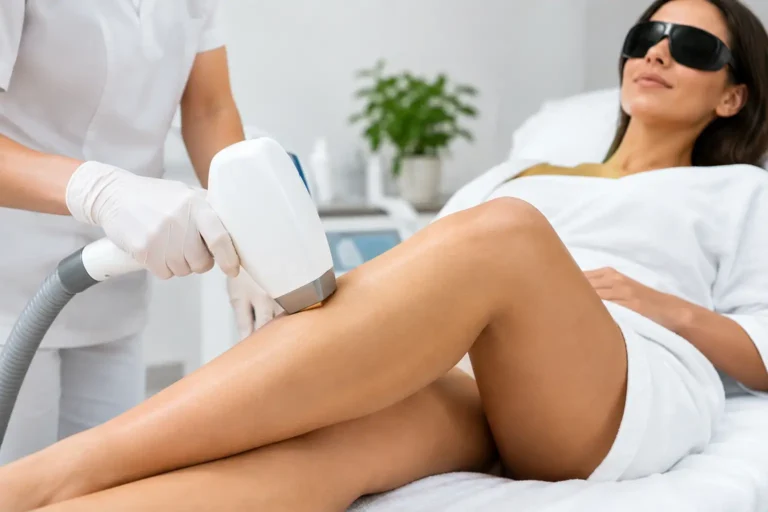
Laser resurfacing uses focused energy to heat targeted layers of the skin. Depending on the technology and treatment settings, laser resurfacing can address surface-level pigment and texture concerns or work more deeply to support collagen remodeling. It is often a stronger choice for more pronounced wrinkles, photodamage, rough texture, and certain types of acne scars.
The practical distinction is depth and intensity. Microneedling creates mechanical stimulation with minimal heat. Laser resurfacing uses thermal energy, which can produce more dramatic correction in fewer sessions but may require more recovery and more careful planning for skin tone, sun exposure, and lifestyle.
What Microneedling Can Treat
Microneedling is a versatile option for patients who want noticeable skin-quality improvement with relatively limited downtime. The treatment can be performed on the face and, in appropriate cases, areas such as the neck, chest, or body where texture concerns and scars are present.
Many patients choose microneedling to soften the appearance of acne scars, refine pores, improve mild crepey texture, and support a brighter, more even-looking complexion. It can also be an appealing starting point for first-time aesthetic patients who want a collagen-building treatment without the recovery associated with more intensive resurfacing.
Immediately afterward, skin commonly looks pink to red and may feel warm or tight, similar to a mild sunburn. Most people can return to normal activities quickly, although makeup, exercise, direct sun, and active skincare ingredients may need to wait briefly. Results are gradual because collagen remodeling takes time. A series of treatments is commonly recommended for the best improvement.
Microneedling is not a shortcut for every concern. Deep pitted scars, significant skin laxity, etched lines, and heavy sun damage may need a more intensive resurfacing approach or a treatment plan that combines modalities over time.
When Laser Resurfacing Makes More Sense
Laser resurfacing is designed for patients seeking a higher level of correction for visible signs of aging and accumulated sun exposure. It may be especially valuable when the goal is to improve coarse texture, fine lines around the mouth or eyes, age-related skin changes, acne scarring, or uneven pigment.
The right laser approach depends on the device, settings, treatment area, and your skin’s specific needs. Some treatments are lighter and involve a short period of redness or flaking. More intensive resurfacing can create more substantial collagen renewal but generally comes with more peeling, swelling, and social downtime.
At LightTouch Med Spa, advanced resurfacing options such as Opus Plasma can be customized to address texture and skin-renewal goals while keeping comfort and recovery in focus. The most appropriate settings are not determined by what worked for a friend or what looks dramatic on social media. They are determined by your skin, your history, and the result you want to achieve.
Laser resurfacing requires disciplined aftercare. Your skin needs gentle products, daily sunscreen, and protection from direct Florida sun while it heals. For patients who can plan treatment around a quieter week or who want more significant correction, that trade-off can be well worth it.
Results, Downtime, and Comfort Compared
Microneedling generally offers a gentler recovery. Redness commonly fades within one to three days, though each person’s response varies. Because improvement develops through collagen production, the most satisfying change often appears over several weeks and continues to build after a treatment series.
Laser resurfacing can offer more visible improvement after one treatment, particularly for texture and sun-related concerns, but its recovery range is broader. A lighter treatment may involve several days of redness and dryness. A deeper treatment can require more time away from social events, careful skincare, and follow-up guidance from your provider.
Comfort is also different. Microneedling typically uses topical numbing before treatment. Laser treatments may also use numbing and can be adjusted to balance correction with comfort and downtime. Neither option should be selected based on discomfort alone. A well-designed treatment plan considers your tolerance, skin goals, and the recovery you can realistically commit to.
Skin Tone, Sun Exposure, and Safety Matter
The safest treatment is not automatically the least intensive one. It is the one selected and performed with an understanding of your skin type, pigment history, medications, active skincare routine, and healing tendencies.
Patients with deeper skin tones or a history of post-inflammatory hyperpigmentation need especially careful evaluation before energy-based resurfacing. Certain laser settings may increase the risk of pigment changes when they are not properly matched to the patient. Microneedling can be a good option for many skin tones, but it also requires professional technique and appropriate aftercare.
Active acne, open lesions, infection, a history of keloid scarring, recent sunburn, pregnancy considerations, and medications such as isotretinoin can affect treatment timing. Be candid during your consultation. Clear information gives your provider the ability to recommend the safest path rather than simply the most aggressive one.
Which Treatment Is Right for Your Goal?
Microneedling is often the better fit when you want gradual collagen support, mild to moderate texture refinement, minimal disruption to your schedule, or a treatment series that can be spaced around work and events. It can also be a thoughtful option for maintaining skin quality once larger concerns have been addressed.
Laser resurfacing may be the better investment when lines, roughness, sun damage, or scars are more established and you want a more substantial level of renewal. It is particularly compelling for patients willing to follow a structured recovery plan in exchange for stronger visible correction.
Sometimes the best answer is neither treatment alone. A provider may recommend beginning with a resurfacing treatment, then using microneedling as part of long-term collagen maintenance. Others may benefit from pairing skin renewal with medical-grade skincare, chemical peels, or injectables that address volume loss and expression lines separately. Skin texture and facial aging do not come from one cause, so the most natural-looking plans rarely rely on one solution.
Plan Around Your Calendar, Not Just Your Mirror
Do not schedule an intensive resurfacing treatment days before a wedding, photo shoot, or beach vacation. Even a well-tolerated treatment can leave temporary redness, dryness, or flaking that does not belong on a deadline. For special events, plan well ahead so your skin has time to heal and your results have time to develop.
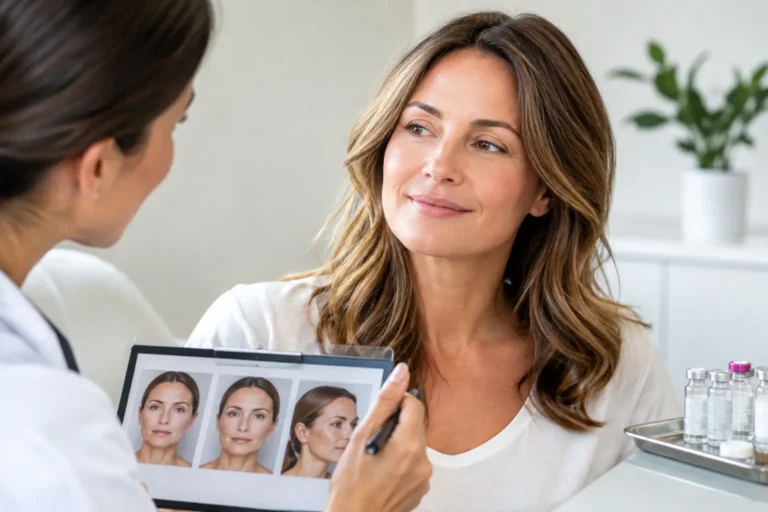
A consultation is where the right decision becomes clear. Bring your goals, your event calendar, the products you use, and any history of sensitivity or pigmentation. The best treatment is the one that respects your skin while moving you confidently toward the smoother, brighter, more refined complexion you want.
Read More LightTouch Med Spa Articles