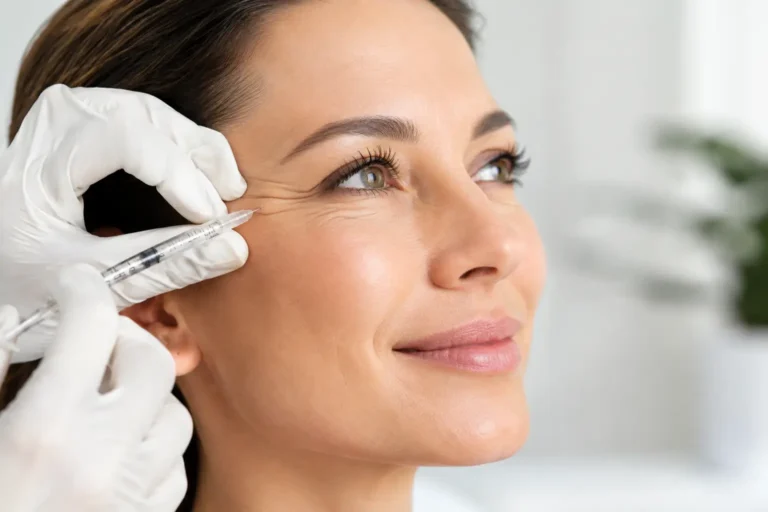
Sculptra Cheek Volume Results: What to Expect
A flatter midface can change more than your cheek contour. It may make under-eye hollows look more noticeable, soften the transition from cheek to jawline, and leave the face looking tired even when you feel well-rested. Sculptra cheek volume results offer a gradual, collagen-building approach for people who want restored facial support without an instant, dramatically filled appearance.
Unlike a traditional hyaluronic acid filler that creates immediate volume, Sculptra works with your body over time. That difference is exactly why it can be an excellent choice for the right patient – and why setting realistic expectations before treatment matters.
What Sculptra Does for Cheek Volume
Sculptra Aesthetic is an injectable biostimulator made with poly-L-lactic acid, or PLLA. Rather than simply occupying space beneath the skin, it is designed to stimulate your skin’s natural collagen production. As new collagen develops, the cheeks can gradually look fuller, smoother, and better supported.
For many patients, this means a refreshed look rather than an obvious “I had filler” result. Strategic treatment through the midface may improve the appearance of cheek hollows, age-related volume loss, mild facial laxity, and the shadowing that can develop beneath the eyes or around the mouth.
The goal is not to create overly projected cheeks. An experienced injector evaluates your facial proportions, skin quality, degree of volume loss, and aesthetic preferences to determine whether subtle support, more noticeable contour, or a combination approach makes sense. Some patients are better candidates for a hyaluronic acid filler when they want a precise shape change or immediate definition. Others prefer Sculptra because they value a softer, more gradual change.
When Will You See Sculptra Cheek Volume Results?
The first few days after treatment can be misleading. You may see temporary fullness from the sterile water used to reconstitute Sculptra, along with mild swelling. That early volume typically settles within several days, and the cheeks may look close to their starting point again before collagen remodeling begins.
Most patients start noticing early improvement around four to six weeks. Results continue to build over the following months, often becoming more apparent after each treatment session. The full result is not a next-day event. It is a process that rewards patience.
A typical plan may involve a series of treatments spaced several weeks apart, although the appropriate number of vials and sessions varies widely. Age, baseline facial volume, metabolism, skin quality, and the amount of correction desired all affect the plan. Someone in their 30s seeking early prevention may need a different approach than someone in their 50s rebuilding more established midface volume loss.
Your provider should avoid promising an identical timeline or outcome for every face. The most natural-looking results come from a customized plan, not a one-size-fits-all number of vials.
Why gradual results can be a benefit
For many busy professionals and socially active patients, gradual improvement is a major advantage. Friends may notice that you look rested or healthier without immediately identifying a cosmetic treatment. The change tends to integrate naturally with your facial expressions and existing features.
Gradual results also allow your injector to reassess as collagen develops. Instead of trying to correct every concern in one appointment, treatment can be refined over time based on how your face responds.
How Long Do Results Last?
Sculptra is known for longevity, but it is not permanent. Once your initial treatment plan is complete, cheek volume improvement may last about two years or longer for many patients. Individual duration depends on factors such as collagen response, age, sun exposure, weight changes, skincare habits, and the amount of product used.
Maintenance treatments can help preserve a balanced result before volume loss becomes pronounced again. During your consultation, your injector can discuss whether Sculptra is best used as a standalone plan or as part of longer-term facial maintenance with neuromodulators, skin resurfacing, or carefully selected fillers.
The key is to think of Sculptra as collagen maintenance rather than a permanent correction. Your face will continue to age, but restoring structural support can help you look more like a well-rested version of yourself along the way.
What Cheek Results Look Most Natural?
Natural results are about facial balance, not simply adding volume to the center of the cheek. In some faces, restoring the outer cheek and upper midface creates a subtle lift effect and improves the transition into the temples. In others, treatment may focus on diffuse volume loss that has made the face appear narrow or drawn.
A thoughtful plan considers the full face. Adding volume without respecting the jawline, temples, under-eye area, and natural bone structure can create an unbalanced appearance. This is one reason injector experience matters so much with collagen stimulators.
At LightTouch Med Spa, a consultation is the place to discuss the result you actually want to see. Bring up concerns such as looking hollow in photos, losing cheek support after weight loss, or wanting a refreshed appearance that still feels like you. Clear goals help guide a treatment plan that is appropriately conservative and aesthetically aligned with your features.
Sculptra vs. Cheek Filler: Which Is Better?
Neither option is automatically better. They work differently and can sometimes complement one another. Hyaluronic acid filler provides immediate, targeted volume and is often useful for patients who want sharper cheek contour or a visible change for an upcoming event. It can also be dissolved if needed.
Sculptra is better suited to patients who want broader, gradual collagen stimulation and are comfortable waiting for results to build. It may be particularly appealing when cheek volume loss is diffuse rather than limited to one small area.
There are trade-offs. Sculptra does not offer the immediate predictability of a gel filler, and it cannot be dissolved once placed. Conversely, a filler-only plan may require more frequent maintenance for some patients. Your injector may recommend one treatment, the other, or a staged combination based on your anatomy, timeline, and goals.
What to Expect During and After Treatment
A Sculptra appointment begins with a facial assessment and treatment mapping. Topical numbing may be used, and many injectors use a cannula technique in appropriate areas to place product with precision and reduce the number of needle entry points. Most patients describe the appointment as very manageable, with brief pressure or mild discomfort rather than significant pain.
Common short-term effects include swelling, tenderness, redness, bruising, and temporary unevenness at injection sites. These usually resolve within days, though bruising can last longer for some patients. Plan ahead if you have a major event, photoshoot, or wedding close to your appointment.
Your injector will provide specific aftercare instructions. Many patients are advised to massage treated areas as directed for several days after treatment. Follow your provider’s instructions exactly, since aftercare can vary based on your treatment plan and medical history. Avoid assuming that a social media protocol applies to your face.
Safety and Choosing the Right Injector
Sculptra should be administered by a qualified, experienced medical aesthetic provider who understands facial anatomy and the product’s unique technique requirements. As with any injectable, risks include bruising, swelling, infection, asymmetry, and, less commonly, palpable lumps or nodules. Rare but serious vascular complications are also possible with facial injections.
A reputable provider will review your health history, assess whether you are a suitable candidate, explain risks clearly, and create a plan that respects your anatomy. You may need to postpone treatment if you have an active skin infection, certain inflammatory conditions, or other factors that require medical guidance.
The best cheek enhancement is not the one that draws attention to itself. It is the one that helps your face look supported, rested, and confidently your own – with results that develop at a pace that feels comfortable and believable.
Read More LightTouch Med Spa Articles