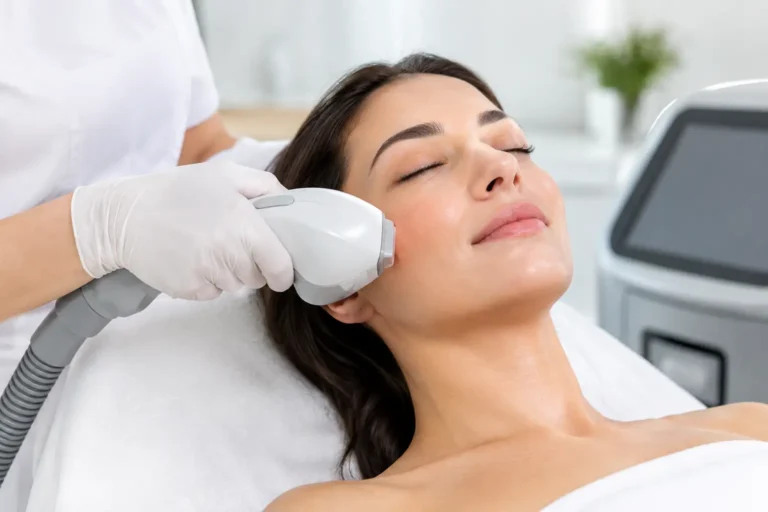
Skin Resurfacing for Texture That Looks Natural
Texture is often the reason skin can look less polished even when it is clear, hydrated, and well cared for. Enlarged pores, acne scars, fine lines, rough patches, and uneven surface tone all change the way light reflects off the face. Skin resurfacing for texture is designed to address those concerns at the source by encouraging healthier skin renewal and collagen remodeling – not by covering them up.
The right treatment should make your skin look like your skin, only smoother, fresher, and more refined. At LightTouch Med Spa, a consultation is the place to identify what is actually causing the texture concern, choose an appropriate level of treatment, and create a plan that respects your skin type, schedule, and goals.
What Causes Uneven Skin Texture?
“Texture” is a broad term, and the best treatment depends on what you see and feel in the mirror. Acne scarring can leave depressed areas in the skin after inflammation damages collagen. Pores may appear more visible when oil production, sun damage, and loss of firmness affect the skin around them. Fine lines, crepey skin, and roughness can develop as collagen production naturally slows over time.
Sun exposure is another major factor in Central Florida. It can thicken the outer layer of skin, contribute to uneven pigment, and accelerate collagen breakdown. Even a strong home skincare routine has limits when texture is rooted in old scarring or deeper structural changes.
That is why a treatment plan should not be based on a single trend or a one-size-fits-all “glow” treatment. The goal is to match the technology and intensity to the cause of your concern.
How Skin Resurfacing for Texture Works
Resurfacing treatments create controlled stimulation in the skin. Depending on the procedure, that may involve removing or loosening damaged surface cells, delivering targeted energy into deeper layers, or creating tiny treatment channels that trigger the body’s repair response.
As skin renews, it can become smoother and more even. Over time, collagen and elastin support may improve, helping soften the appearance of fine lines, acne scars, and enlarged pores. Results are gradual because collagen remodeling is gradual. That is a strength, not a drawback: thoughtful resurfacing can produce natural-looking improvement without changing the character of your face.
The trade-off is that more aggressive treatments generally require more healing time, while lighter treatments tend to have less downtime but may require a series for meaningful improvement. A professional assessment helps balance visible results with what fits realistically into your life.
Treatment Options for Rough Texture, Pores, and Scars
Opus Plasma resurfacing
Opus Plasma is an advanced fractional skin resurfacing treatment that uses plasma energy and microthermal treatment zones to stimulate skin renewal and collagen production. It can be a strong option for patients concerned about acne scarring, fine lines, visible pores, uneven texture, and early skin laxity.
Because treatment is fractional, surrounding skin remains intact between treated areas. This supports the healing process while allowing the provider to customize settings for different concerns and areas. The face is a popular treatment area, but resurfacing can also be considered for the neck, chest, and other areas where sun damage and crepey texture are concerns.
Most patients experience redness and a sandpaper-like feeling as the skin heals. The exact downtime varies by treatment intensity, but many people plan for several days of social downtime. Improvement may begin after healing, with continued collagen benefits developing over the following weeks and months.
Microneedling for collagen support
Microneedling uses fine, controlled needles to create microchannels in the skin. This process supports collagen induction and can be especially useful for mild to moderate acne scarring, enlarged pores, early fine lines, and overall texture refinement.
For patients who prefer a lower-downtime approach, microneedling may be an excellent starting point. It is also commonly performed as a series, since each treatment builds on prior collagen stimulation. It will not produce the same result as a stronger resurfacing procedure for every scar pattern, but it can be a smart choice when gradual improvement and limited recovery are priorities.
Chemical peels for surface renewal
Chemical peels use professionally selected solutions to exfoliate the skin at varying depths. They can help improve dullness, roughness, mild discoloration, and clogged pores, while supporting a clearer, more even-looking complexion.
Peels range from light options with little visible peeling to more active treatments that require a period of flaking. They are often valuable as part of an ongoing skin-quality plan, particularly for patients whose texture is concentrated in the skin’s surface layers. Deep acne scars and significant laxity usually need a collagen-focused treatment rather than peels alone.
Hydrafacial for maintenance and immediate polish
A Hydrafacial is not a replacement for collagen remodeling, but it can complement a resurfacing plan. By cleansing, exfoliating, extracting congestion, and infusing hydration, it can help the skin look smoother and more refreshed with minimal downtime.
This makes it a popular choice before events or as maintenance between more corrective treatments. If your main concern is roughness from dehydration, congestion, or buildup, the immediate improvement can be noticeable. If your concern is pitted scarring, larger pores, or etched lines, consider it a supportive treatment rather than the entire solution.
Choosing the Right Level of Treatment
A consultation should look beyond the word “texture.” Your provider will consider the depth and type of scarring, skin tone, pigment history, active acne, oil production, sensitivity, medical history, and willingness to follow aftercare instructions.
Darker skin tones and patients prone to hyperpigmentation need especially thoughtful treatment selection. The goal is not simply to use the strongest possible setting. It is to choose an approach that improves texture while minimizing unnecessary inflammation and pigment risk. Patients with active breakouts may also benefit from getting acne under control before focusing heavily on scar revision.
Your calendar matters, too. A light peel or Hydrafacial may suit an upcoming event, while Opus Plasma resurfacing may be better planned when you can allow time for visible healing. There is no prize for choosing more downtime than you need, and there is no benefit in expecting a gentle treatment to correct deeper scars in one visit.
What Results Can You Expect?
The most satisfying results tend to be refinement, not perfection. Resurfacing can help skin feel smoother, makeup apply more evenly, pores look less prominent, and scars appear softer. Fine lines may look less etched, while the overall complexion can take on a healthier, more even light reflection.
Deep ice-pick scars, tethered scars, and extensive acne scarring may require combination care or multiple sessions. In some cases, resurfacing is paired strategically with other professional treatments to address different layers of the concern. A credible provider will be direct about what a procedure can improve and where its limits are.
Photos taken in consistent lighting can be more useful than checking the mirror every day. Early healing can involve dryness, flaking, redness, or temporary texture changes before the skin settles. Collagen remodeling also continues after the first visible recovery period, so patience is part of the process.
Protecting Your Investment After Resurfacing
Aftercare is not optional if you want a smooth recovery and lasting results. Use gentle, provider-approved skincare, avoid picking or scrubbing healing skin, and pause active ingredients when instructed. Sun protection is essential, particularly in Orlando, where incidental sun exposure can happen year-round.
Daily broad-spectrum SPF, hats, and sensible sun avoidance help protect new skin and reduce the risk of unwanted discoloration. A consistent skincare routine can also help maintain the clearer, smoother look achieved through professional treatments.
Healthy-looking texture is built over time, not forced overnight. A personalized consultation can help you choose the level of resurfacing that fits your skin, your comfort with downtime, and the confidence you want to see when the healing is complete.
Read More LightTouch Med Spa Articles