Botox Gone Wrong: Droopy Lids, Heavy Brows, and How We Fix Them
Every few weeks, someone sits down in our chair, pulls up a selfie, and says, “I got Botox somewhere else and now my eyelid is droopy. Can you fix it?” Most cases of Botox gone wrong are temporary, and many can be improved in the meantime. A drooping eyelid can often be lifted a bit with prescription eye drops, a heavy brow or a “Spock” arch can sometimes be balanced with a few strategic units, and everything else wears off as the Botox does.
That’s the reassuring part. The less fun part is that Botox can’t be dissolved the way hyaluronic acid filler can, so some fixes mean patience. Here’s what usually goes wrong, why it happens, and what we can actually do about it.
Botox Gone Wrong: The Most Common Problems We See
Most complications we see aren’t dramatic. They’re small placement or dosing issues that make someone look a little off. The usual suspects:
- Droopy eyelid (ptosis). One upper lid sits lower than the other.
- Heavy or low brows. The forehead feels weighed down, and you look tired or grumpy.
- The Spock brow. The outer tails of the brows shoot up into a sharp, surprised arch.
- Asymmetry. One side moves more than the other.
- A frozen, shiny forehead. Technically “working,” but it doesn’t look like you.
- Smile changes. Less common, usually after treatment around the mouth or crow’s feet that spreads where it shouldn’t.
Some bruising, a small headache, or a bump that fades in an hour or so is normal and not something we’d call Botox gone wrong. If you’re still in the first two weeks, your results may not have fully settled yet. Our timeline for when Botox kicks in explains why we don’t judge a result before about day 14.
Droopy Eyelids: Why It Happens and How We Treat It
Eyelid ptosis happens when a small amount of Botox reaches the muscle that holds your upper lid open. It usually shows up a few days to two weeks after treatment, most often after frown-line injections placed too low or too close to the eye, or when product spreads after the visit.
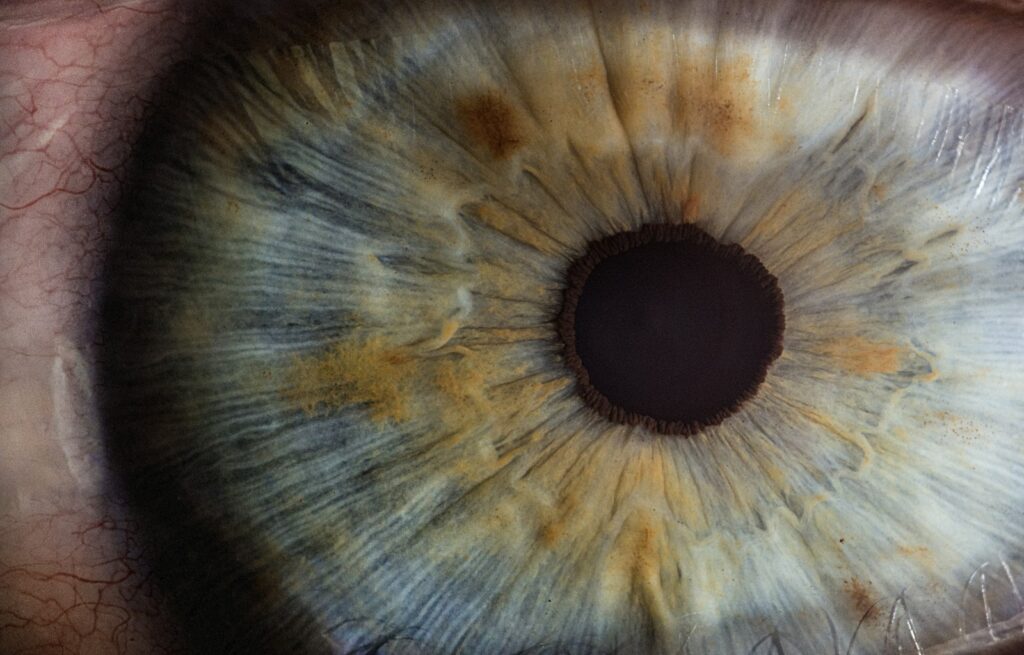
The good news is that there’s a real fix. A prescription eye drop called apraclonidine stimulates a small, separate muscle in the lid and can raise it by a millimeter or two. It’s not a cure, and it has to be used regularly, but for many people it makes the droop much less noticeable while the Botox wears off.
Without treatment, lid droop generally improves over a few weeks, though it can take longer in some cases. If your vision is affected or something else feels off, get evaluated rather than waiting it out.
Heavy Brows and the Spock Brow
These two are opposite problems, and both come down to balance between the muscles that lift your brows and the ones that pull them down.
Heavy, low brows
Your forehead muscle is the only one that lifts your brows. Treat it too heavily, especially in someone whose brows already sit low, and the brows can drop. It’s common in people who asked for “a totally smooth forehead” without the frown area being treated in balance.
There’s no instant fix here. Sometimes a few units placed in the muscles that pull the brow down can give back a little lift, a technique similar to a Botox brow lift. Often, though, the honest answer is to wait it out and plan a lighter forehead dose next time.
The Spock brow
This one is easier. When the center of the forehead is relaxed but the outer edges are left untouched, those outer fibers keep pulling and lift the brow tails into a sharp peak. A couple of tiny units placed above the arch usually brings it back down within a week or so. We cover it in detail in our post on fixing a Spock brow from Botox.
Why Botox Goes Wrong in the First Place
Bad results aren’t random. In our experience, they usually trace back to a handful of causes:
- Dosing by package, not by face. A set number of units for everyone ignores muscle strength and brow position.
- Placement too close to the eye or brow. A few millimeters matter in this area.
- Rushing. A good injector watches you frown, raise your brows, and smile before marking anything.
- Aftercare slips. Rubbing the area, a facial massage, or lying flat right after treatment may raise the odds of product spreading. Our list of mistakes to avoid after Botox covers the basics.
- Who’s injecting. Training and experience show up in results. Our earlier guide on who can inject Botox in Florida lays out what to check before you book.
For what it’s worth, our nurse practitioners do a lot of neurotoxin. LightTouch was named an Allergan Aesthetics Top 50 account in the U.S. in 2024, and the main thing that volume teaches you is restraint.
How to Lower Your Risk Next Time
If you’ve had a bad experience, you don’t have to give up on Botox. You just need a different plan. Here’s what we’d suggest:
- Bring photos of the problem and tell your injector exactly what happened and when.
- Start conservative. It’s easy to add a few units at your two-week follow-up and impossible to take them out.
- Ask how your brow position affects the plan. If your brows sit low or your lids are a little hooded, that should change how the forehead is treated.
- Choose a practice that offers a follow-up visit, so small issues get tweaked early.
Our Botox treatments in Orlando always start with a look at how your face moves, and we’ll tell you if we think an area should be skipped.
Quick answers
How long does Botox gone wrong last?
Most issues fade as the Botox wears off, generally within about three to four months, and often sooner for things like lid droop. Some problems can be improved much faster with drops or small corrective doses.
Can Botox be reversed?
Not directly. There’s no dissolving agent for Botox like there is for HA filler. What we can do is treat the effect, such as lifting the lid with drops or balancing a brow with a few units.
Can you fix uneven Botox?
Often, yes. If one side moves more than the other at your two-week check, a few extra units on the stronger side usually evens things out.
Should I go back to the same injector?
Give them a chance to assess it, since a good provider wants to know. If you don’t feel heard, it’s completely fine to get a second opinion.
If something doesn’t look right after Botox, you don’t have to just live with it. Our team can assess what’s happening, explain your options, and plan a safer next round. Book a free consultation or call us at 407-440-2025. We’re in the Dr. Phillips area on Sand Lake Rd, open weekdays and Saturdays.
This article is for general education and isn’t a substitute for an in-person medical evaluation. Every face is different, so the best plan comes from a consultation.

Read More LightTouch Med Spa Articles