Laser Hair Removal Guide for Smooth Skin
Unwanted hair has a way of taking up more time than it deserves. Shaving can mean daily upkeep, waxing requires planning around regrowth, and both can leave skin irritated at the exact moment you want to feel confident. This laser hair removal guide explains what the treatment can realistically do, who tends to see the best results, and how to prepare for a more comfortable experience.
Laser hair removal is not a one-appointment fix, and the right plan is never exactly the same for every patient. It is a medical aesthetic treatment that works best when advanced technology, proper settings, and experienced clinical guidance come together.
How laser hair removal works
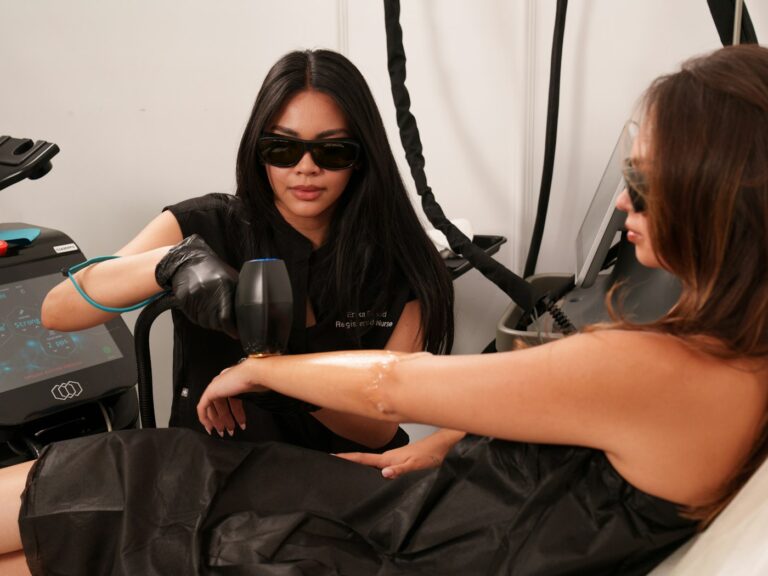
A laser sends concentrated light into the pigment within an actively growing hair. That light converts to heat, disrupting the follicle’s ability to produce future hair growth while protecting the surrounding skin as much as possible. Because hair grows in cycles, only a portion of follicles are in the ideal growth phase during any given visit.
That is why a series of treatments is necessary. Most patients need several sessions, generally spaced weeks apart, to address hair as it enters the active growth phase. After completing a recommended series, many people enjoy a significant, lasting reduction in hair growth. Maintenance sessions may be useful over time, particularly in areas influenced by hormones.
“Permanent hair reduction” is the most accurate expectation. The remaining hair often grows in lighter, finer, less noticeable, and easier-to-manage than before. No ethical provider should promise that every hair will disappear forever.
Laser hair removal guide: are you a candidate?
The best way to determine candidacy is a personalized consultation. Your provider will consider your skin tone, hair color and texture, medical history, medications, and the area you would like treated. Modern laser systems can safely treat a broader range of skin tones than older technology, but settings must be selected carefully for your individual skin and hair profile.
Laser energy is drawn to pigment, so dark, coarse hair typically responds especially well. Fine, light blond, gray, white, and red hair may not respond as predictably because there is less pigment for the laser to target. This does not mean a consultation is not worthwhile. It means you deserve a clear, individualized assessment before committing to a series.
Common treatment areas include the underarms, bikini line, Brazilian area, legs, arms, back, chest, abdomen, face, and neck. Facial hair can respond beautifully, but hormonal factors matter. Polycystic ovary syndrome, thyroid changes, menopause, and certain medications can contribute to new hair growth, making occasional maintenance more likely.
Treatment is generally not performed over active infections, open skin, recent sunburn, or areas with certain tattoos. Pregnancy policies differ by provider, though elective laser treatments are commonly postponed during pregnancy. Be open during your consultation about prescription skincare, photosensitizing medications, prior reactions, and any history of pigment changes or scarring.
What treatment feels like
Most patients describe laser hair removal as a quick snap against the skin, followed by warmth. The sensation varies by body area. The upper lip, bikini line, and areas with dense coarse hair can feel more intense than the legs or arms. Fortunately, treatment is fast, and modern cooling methods can make a meaningful difference in comfort.
At LightTouch Med Spa, laser hair removal is designed with pain-reduced technology and medically guided treatment planning in mind. Your provider can discuss cooling, settings, and other comfort measures based on your sensitivity and goals.
A small area such as the upper lip or underarms may take only minutes. Larger areas, including full legs or a back, naturally take longer. Some patients notice a faint sunburn-like warmth or mild redness immediately afterward. This usually resolves quickly.
How to prepare for your appointment
Preparation affects both safety and results. Your laser provider will give you instructions specific to your treatment area and skin type, but these steps are commonly recommended:
- Avoid tanning, self-tanner, and unnecessary sun exposure before treatment. Recently tanned skin can increase the risk of irritation or pigment changes.
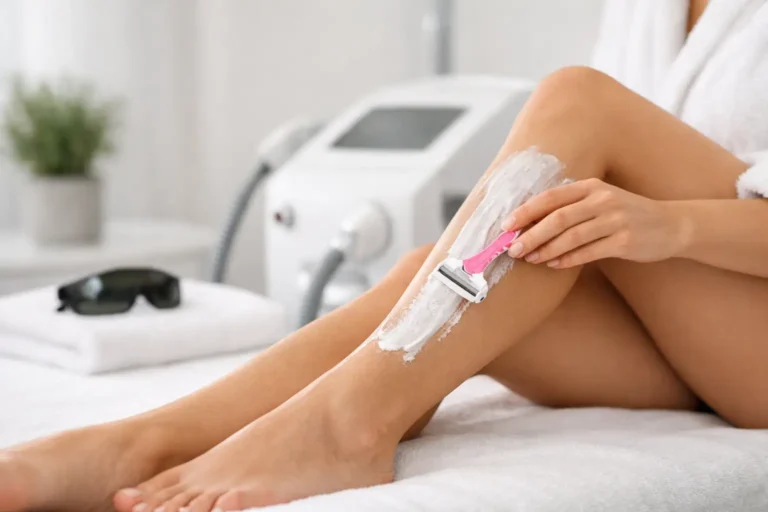
- Shave the treatment area shortly before your appointment, following your provider’s instructions. The laser needs the follicle beneath the skin, not long visible hair above it.
- Stop waxing, plucking, threading, and using depilatory creams for several weeks before treatment. These methods remove the hair root the laser needs to target.
- Arrive with clean skin free of lotion, deodorant, fragrance, or makeup on the treatment area unless your provider tells you otherwise.
You may also need to pause certain active skincare ingredients, especially when treating the face. Retinoids, exfoliating acids, and some prescription products can make skin more sensitive. Never stop a prescribed medication without speaking with the clinician who prescribed it, but do share a complete medication list at your consultation.
What happens after laser hair removal
Aftercare is usually straightforward. Treat the skin gently for the first day or two and protect it from heat and sun. Skip hot tubs, saunas, very hot showers, and strenuous workouts if the area feels warm or irritated. Use a broad-spectrum sunscreen on exposed treated areas, especially in Orlando, where strong sun exposure is part of everyday life for much of the year.
Do not be alarmed if treated hairs appear to grow after your visit. In many cases, this is the shedding process. Over the next one to three weeks, the damaged hairs gradually work their way out of the follicles. Avoid plucking them. Gentle exfoliation may be appropriate once your skin has settled, but follow the aftercare plan your provider gives you.
Call your provider if you experience prolonged discomfort, blistering, significant swelling, or unexpected skin changes. These effects are uncommon with appropriate treatment, but responsive follow-up is part of responsible medical aesthetic care.
How many sessions will you need?
A treatment plan often includes six to eight sessions, although your number may be lower or higher. Thick, dark hair in areas such as the bikini line or underarms may respond quickly. Finer hair, facial areas, and hormonally influenced growth can take more sessions and may need periodic touch-ups.
Consistency matters more than rushing. Treatments are spaced to align with the hair-growth cycle, not because a provider wants to prolong the process. Skipping far beyond your planned interval can make the process less efficient because you may miss the timing when the next group of follicles is most responsive.
It is also worth considering your calendar before beginning. If you have a wedding, vacation, or beach-heavy event ahead, begin early enough to complete several sessions and avoid planning treatment directly before heavy sun exposure. A free consultation can help you build a schedule around your lifestyle rather than forcing your lifestyle around treatment.
Choosing a provider matters
Laser hair removal is widely available, but devices, training, and treatment protocols are not interchangeable. A lower price is not always a better value if it means generic settings, limited skin-tone experience, or inadequate consultation. The goal is not simply to deliver laser energy. It is to choose the right device and settings for effective, comfortable treatment while respecting your skin’s safety.
Ask who performs the treatment, what technology is used, how the practice approaches different skin tones, and what support is available if you have questions afterward. A reputable practice should answer directly, set realistic expectations, and explain why your recommended treatment plan fits your hair and skin characteristics.
Smooth skin is a process, not a promise made in one visit. Start with a thoughtful consultation, protect your skin from the sun, and give each session time to do its work. That patient approach is what turns laser hair removal from another beauty task into a confidence-building routine with far less upkeep.
Ready to get started? Learn more about laser hair removal in Orlando at LightTouch Med Spa, or see what laser hair removal costs in Orlando.

Read More LightTouch Med Spa Articles