Laser Resurfacing: What It Can Improve for Skin
A close-up mirror can make uneven texture, acne scars, fine lines, and sun damage feel more noticeable than they do in everyday life. Laser resurfacing is designed to address those concerns at the skin-quality level, helping stimulate collagen and encourage a smoother, clearer, more refreshed-looking complexion without surgery.
The right treatment is never simply about choosing the strongest device or the longest recovery. It is about matching the technology, treatment intensity, and downtime to your skin concerns, skin tone, schedule, and desired outcome. A personalized consultation is the best place to determine whether resurfacing fits your goals and what kind of result is realistic for you.
What Laser Resurfacing Can Treat
Laser resurfacing uses controlled energy to create tiny treatment zones in the skin. This process prompts the body’s natural repair response, including new collagen and elastin production. Over time, the skin can look firmer, feel smoother, and reflect light more evenly.
It can be an excellent option for patients who want to improve several visible concerns at once. Depending on the technology and treatment plan, resurfacing may help soften fine lines around the eyes and mouth, improve rough texture, reduce the appearance of enlarged pores, fade certain dark spots, and refresh dull or sun-exposed skin.
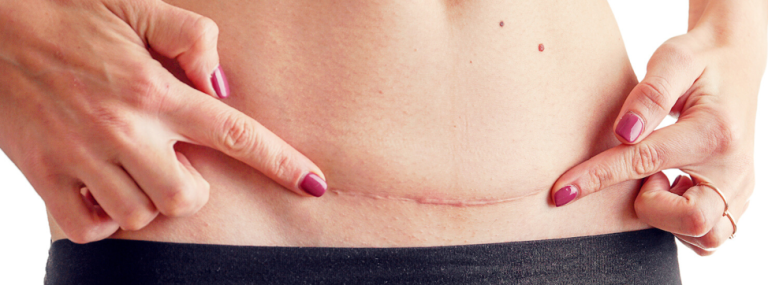
Acne scarring is another common reason patients consider resurfacing. Some scars respond especially well to collagen-stimulating treatments, while deeper rolling or tethered scars may need a combination approach. In those cases, resurfacing can still be valuable, but it may be paired with other treatments to create more meaningful improvement.
Resurfacing is not intended to change your facial features or create an artificial look. Its strength is making your skin look more like a well-rested, well-cared-for version of itself.
Laser Resurfacing Is Not One Single Treatment
The phrase laser resurfacing covers several treatment approaches. Some devices remove or vaporize very thin layers of skin, creating more dramatic correction with more downtime. Others deliver fractional energy through microscopic channels, treating a portion of the skin at a time to support healing and collagen remodeling with a more manageable recovery.
Non-ablative and fractional options are often attractive for busy professionals, parents, and patients who want improvement without an extended social break. These treatments may require a series for best results, but they can offer a practical balance between visible change and downtime. More intensive resurfacing can sometimes achieve stronger results in fewer sessions, although redness, peeling, and aftercare needs are typically greater.
At LightTouch Med Spa, Opus Plasma skin resurfacing offers a fractional approach that uses plasma energy rather than a traditional laser. The goal is similar: controlled skin renewal and collagen stimulation tailored to the concerns being treated. The best modality depends on factors such as scar depth, wrinkles, pigmentation, skin sensitivity, and the amount of downtime you can comfortably plan for.
What Happens During a Resurfacing Appointment
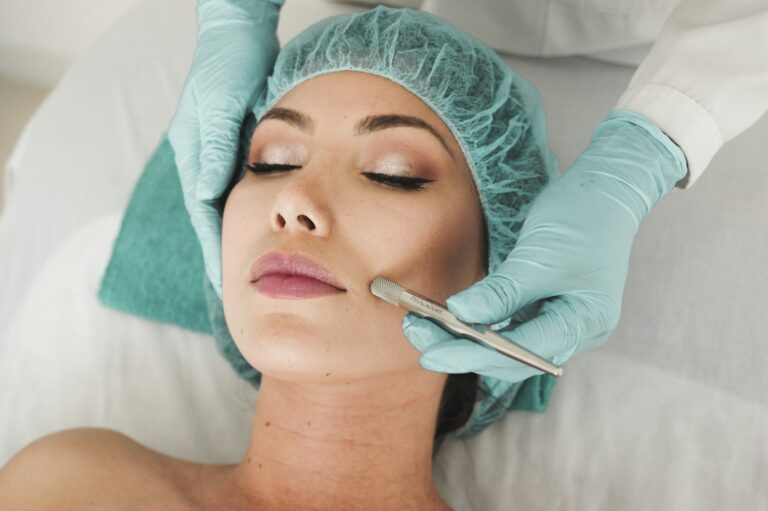
A treatment begins with clean skin and a detailed review of the areas being addressed. Your provider may apply a topical numbing cream before treatment to support comfort. Protective eyewear is used when appropriate, and the treatment is performed in a series of passes across the planned areas.
Many patients describe the sensation as warmth, prickling, or brief snapping. Comfort levels vary with the technology, treatment depth, and area being treated. More intensive settings can feel stronger, which is why having an experienced medical aesthetics team matters. Your provider can adjust the plan when appropriate while keeping the focus on safe, effective treatment.
Treatment time can be relatively short, particularly for a targeted area such as acne scars on the cheeks or lines around the mouth. A full-face session naturally takes longer. Before leaving, you should receive clear instructions for cleansing, moisturizing, sun protection, makeup, exercise, and the products to avoid while your skin heals.
Recovery: Plan for Healing, Not Just the Appointment
Recovery is where the treatment process continues. After laser resurfacing, skin may look pink or red and feel warm, similar to a sunburn. Swelling can occur, especially around the eyes. In the days that follow, dryness, flaking, bronzing, or light peeling may develop as the skin renews itself.
The exact recovery period depends on the energy used and the treatment area. A lighter fractional treatment may allow some patients to return to normal activities quickly, while deeper resurfacing requires more deliberate downtime. Do not schedule a first treatment immediately before a wedding, vacation, major photo shoot, or important work presentation. Give your skin time to settle, and build in extra time if you are unsure how your skin will respond.
Sun protection is non-negotiable. Freshly treated skin is more vulnerable to unwanted pigment changes from sun exposure. Use broad-spectrum sunscreen as directed, wear a hat when outdoors, and avoid tanning. Picking, scrubbing, exfoliating acids, retinoids, and heat-heavy workouts may also need to be paused temporarily.
Patients with a history of cold sores should tell their provider before treatment, especially if resurfacing is planned around the mouth. Certain medical conditions, active skin infections, recent sun exposure, pregnancy considerations, medications, and skin conditions can change whether treatment is appropriate or when it should be scheduled.
When Will You See Results?
Some improvement can be visible once initial redness and flaking fade, but collagen remodeling takes time. Skin often continues to improve over several weeks and months as new collagen forms. This gradual change is one reason resurfacing can look natural: the skin quality improves rather than appearing suddenly altered.
A single treatment may be enough for mild texture concerns or a focused refresh. More established acne scarring, deeper lines, and extensive sun damage often respond best to a treatment series or a broader plan that may include chemical peels, microneedling, medical-grade skincare, or injectable treatments for concerns resurfacing cannot correct.
Results also depend on your baseline skin health and how well you protect your investment afterward. Consistent sunscreen, a thoughtful home skincare routine, and maintenance treatments when recommended can help preserve a smoother, brighter appearance.
Is Laser Resurfacing Right for You?
The strongest candidates are not defined by age alone. A patient in their 20s may want help with acne scarring and pores, while someone in their 40s or 50s may be focused on fine lines, sun damage, and overall texture. What matters most is having stable skin, realistic expectations, and a plan created for your individual skin characteristics.
Skin tone deserves particular attention. Energy-based treatments can be safely customized for many patients, but aggressive settings or poor aftercare may raise the risk of post-inflammatory hyperpigmentation in some skin types. An experienced provider should assess your complexion, pigmentation history, and treatment goals before recommending a specific approach.
If you want smoother texture, brighter tone, or less visible scarring without surgery, a consultation can replace guesswork with a treatment plan built around your skin and your schedule. The most rewarding resurfacing results are not rushed – they are carefully selected, professionally performed, and given the time to heal beautifully.
Read More LightTouch Med Spa Articles