Opus Plasma Review – Is Recovery Worth It?
A face can look tired long before it looks older. Makeup may settle into fine lines, pores can appear more visible, and sun exposure can leave uneven texture that skincare alone cannot fully correct. This Opus Plasma review looks at what the treatment can realistically do, how recovery feels, and whether its benefits justify the downtime for patients seeking meaningful skin renewal without surgery.
Opus Plasma is a fractional skin resurfacing treatment designed to improve texture, fine lines, acne scars, enlarged pores, and uneven tone. It uses plasma energy delivered through a specialized handpiece to create controlled micro-injuries in the skin. That process prompts the body to produce new collagen and elastin as the treated skin heals.
The appeal is straightforward: patients can customize the intensity more than with many traditional resurfacing treatments. A lighter setting may fit someone wanting a refresh with less visible downtime. A more intensive setting can target deeper textural concerns, but it also requires more recovery and patience.
What Opus Plasma Can Improve
Opus Plasma is not a face-lift, filler, or wrinkle relaxer. It does not replace volume in the cheeks, lift sagging tissue, or stop dynamic lines caused by muscle movement. Its strength is skin quality.
Patients often consider treatment for crepey texture around the eyes, fine lines around the mouth, acne scarring, roughness, sun-related discoloration, and pores that remain noticeable despite a consistent skincare routine. It can also be used on areas beyond the face, including the neck, chest, hands, and selected body areas where texture and laxity are concerns.
The best results are usually gradual. Initial brightness can appear after the skin finishes its early healing phase, but collagen remodeling continues for weeks. That means the smoother, firmer-looking result typically develops over time rather than appearing the day after treatment.
The Results Depend on the Concern Being Treated
Someone with mild texture changes and early fine lines may be very pleased after a series of moderate treatments. A patient with deeper acne scars may see improvement, but should expect a longer treatment plan and may benefit from combining resurfacing with other medically guided options.
This distinction matters. No honest Opus Plasma review should promise poreless skin, erased scars, or permanent wrinkle removal. The goal is healthier-looking, smoother, more even skin that responds better to a well-chosen skincare routine and continued maintenance.
What an Opus Plasma Treatment Feels Like
A topical numbing cream is commonly used before treatment. With appropriate numbing and experienced technique, most patients describe the sensation as brief heat, prickling, or snapping rather than sharp pain. Sensitivity varies by treatment area. The upper lip, forehead, and areas close to the eyes can feel more intense than the cheeks.
Treatment time depends on the areas selected and the level of correction needed. A full-face appointment is typically efficient enough to fit into a busy day, though patients should not plan on looking camera-ready immediately afterward.
The provider’s treatment plan matters as much as the device itself. Energy settings, passes, depth, skin type, medical history, and your willingness to accept downtime should all shape the approach. More aggressive is not automatically better. The right intensity is the one that targets your concern without creating unnecessary recovery or risk.
Opus Plasma Recovery: The Part to Plan For
The most common question is not whether the procedure works. It is whether the recovery fits real life.
Immediately after treatment, skin often feels warm and looks red, similar to a significant sunburn. Swelling can occur, especially around the eyes. In the following days, the skin may develop a bronzed or grid-like appearance with tiny dark spots called microcrusting. This is expected after fractional resurfacing and should be allowed to shed naturally.
For a lighter treatment, redness and roughness may be easier to manage within several days. More intensive treatments can create visible redness, swelling, and texture changes for about a week or longer. Full healing and the return of an even complexion can take additional time depending on the treatment settings and individual skin response.
Do not pick, scrub, exfoliate, or try to speed up flaking. That can prolong redness and increase the chance of unwanted pigmentation. Gentle cleansing, approved moisturizer, and diligent sun protection are essential. Your provider may also recommend pausing retinoids, acids, and other active skincare ingredients before and after treatment.
If you have an important event, schedule strategically. For many patients, allowing at least two weeks before a wedding, reunion, photoshoot, or major professional appearance is the more comfortable choice, particularly for a first or stronger treatment.
Who Is a Good Candidate?
Opus Plasma can be an excellent option for adults who want noticeable skin resurfacing without surgical intervention and who can follow post-treatment instructions carefully. It is especially appealing for people beginning to see early-to-moderate signs of aging or dealing with long-standing texture concerns such as acne scars.
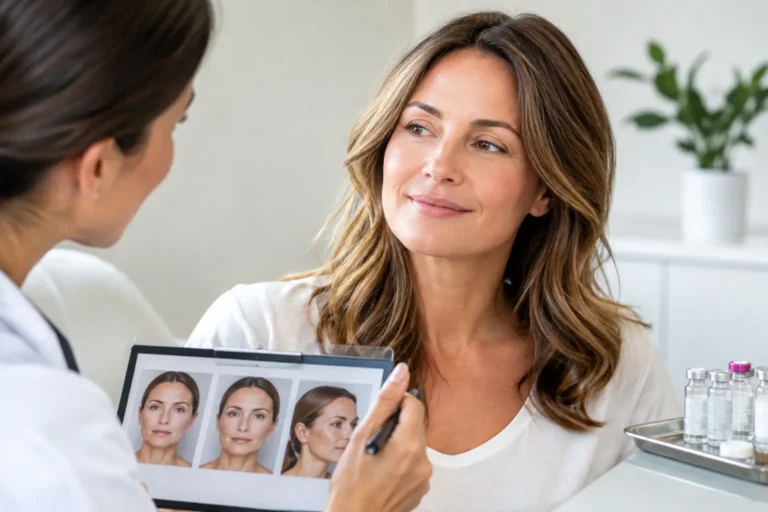
A consultation is important because not every skin concern should be treated the same way. Active acne, open wounds, a current skin infection, a history of poor wound healing, certain medications, and recent sun exposure may mean treatment should be postponed or adjusted. Patients prone to post-inflammatory hyperpigmentation also need a personalized plan, particularly with deeper skin tones.
Pregnancy, breastfeeding, a history of cold sores, and certain medical conditions should be discussed openly. A provider may recommend preventive medication for patients with a history of facial cold sores, since resurfacing can trigger a recurrence.
When Another Treatment May Be Better
If your main concern is expression lines between the brows or across the forehead, Botox or another wrinkle relaxer may be the more direct choice. If lost facial volume is making the face look hollow or tired, fillers or biostimulatory treatments may better address the issue. For significant skin laxity, a consultation may reveal that another energy-based treatment or a combination approach is more appropriate.
This is where an experienced med spa can make a difference. At LightTouch Med Spa, treatment planning should begin with the concern you see in the mirror, not a one-device-fits-all recommendation.
How Many Treatments Are Usually Needed?
Some patients see a visible improvement after one treatment, especially with higher settings. Still, a series of treatments is often recommended for more consistent collagen stimulation and cumulative improvement. The number of sessions depends on the treatment area, severity of texture concerns, desired downtime, and response to the first appointment.
A patient treating subtle fine lines may choose a lighter series spaced several weeks apart. Someone addressing established acne scars may need a more comprehensive plan. Maintenance treatments can also help preserve skin quality as natural collagen production changes with age.
The practical takeaway is that Opus Plasma is a process, not a one-time overnight fix. Patients who approach it as part of a long-term skin strategy tend to be happiest with the investment.
Is Opus Plasma Worth It?
For the right candidate, Opus Plasma can be worth it because it targets the concerns that make skin look less polished even when makeup, facials, and at-home products are working as hard as they can. It offers flexibility in treatment intensity, can address multiple areas, and supports collagen renewal without surgery.
The trade-off is recovery. You need to be comfortable with temporary redness, swelling, roughness, and visible microcrusting. You also need to protect the skin from sun exposure and follow aftercare closely. Patients looking for zero downtime may prefer a gentler treatment, but should expect more subtle results.
A helpful next step is to choose your timing as carefully as your treatment. Plan around your calendar, be clear about how much downtime you can accept, and ask for a customized recommendation that matches both your skin goals and your real life.
Read More LightTouch Med Spa Articles