Xeomin vs Botox Differences You Should Know
A polished result is rarely about choosing the product with the most familiar name. It is about matching the right neuromodulator, dose, injection pattern, and treatment plan to your facial movement and goals. The Xeomin vs Botox differences are real, but they are more nuanced than a simple question of which one is “better.” Both can soften expression lines beautifully when administered by an experienced medical injector.
For someone preparing for a wedding, professional headshots, or simply a more refreshed everyday appearance, the best choice often comes down to your treatment history, desired timing, and how your muscles respond. Here is what to know before your consultation.
Xeomin vs Botox Differences at a Glance
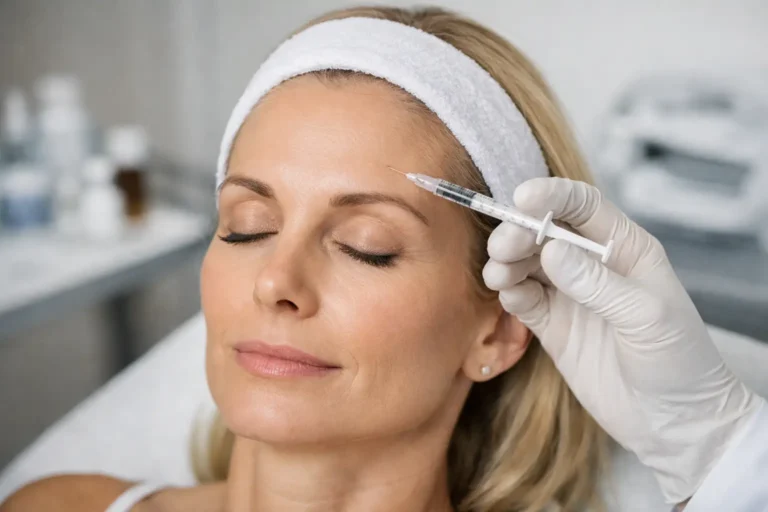
Xeomin and Botox are prescription neuromodulators made from botulinum toxin type A. In aesthetic treatments, they temporarily reduce the muscle activity that creates dynamic wrinkles – the lines that appear when you frown, squint, raise your brows, or smile.
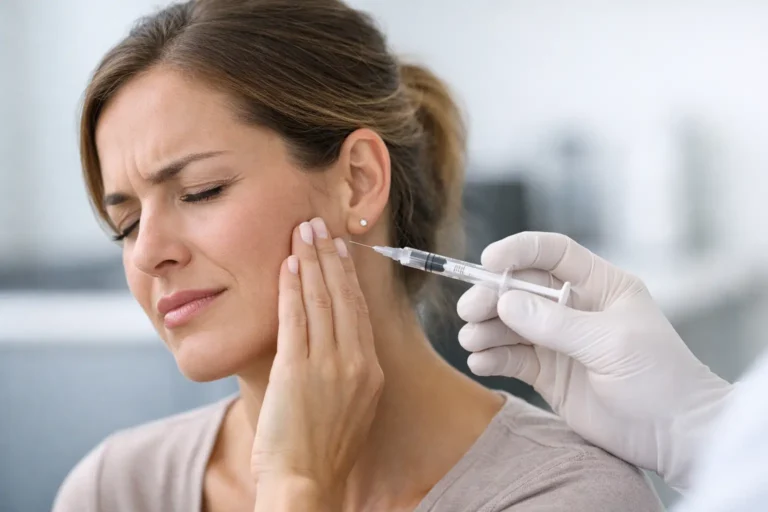
Both products can be used to create a smoother, rested look in areas such as frown lines, forehead lines, and crow’s feet. They may also be part of a medical treatment plan for concerns including excessive sweating, TMJ-related jaw tension, or migraines, depending on the product, treatment area, and provider’s clinical assessment.
The central difference is formulation. Botox Cosmetic contains the active neurotoxin along with accessory proteins. Xeomin contains the active neurotoxin without those accessory proteins, which is why it is sometimes described as a “naked” neurotoxin. This formulation difference is meaningful, but it does not automatically make Xeomin stronger, safer, or better for every patient.
Both are FDA-approved products with established safety profiles when used appropriately by qualified medical professionals. The quality of your assessment and injector’s technique matter at least as much as the name on the vial.
Formulation: What “Naked Toxin” Really Means
Xeomin’s simplified formulation is its most recognizable distinction. Without accessory proteins, it may appeal to patients who prefer a product designed around the active ingredient itself. It also does not require refrigeration before reconstitution, which is a practical handling difference for providers rather than a visible difference in your result.
Some patients ask whether Xeomin’s formulation means they are less likely to develop resistance over time. Antibody-related resistance to cosmetic neuromodulators is considered uncommon, particularly at the lower doses typically used for aesthetic treatment. While the theory is worth discussing for someone receiving frequent or high-dose treatments, it should not be treated as a guarantee that Xeomin will prevent resistance.
Botox Cosmetic has decades of name recognition and a long clinical history. Many patients have consistent, predictable outcomes with Botox and prefer to stay with the product that has worked well for them. Others may try Xeomin after noticing that their usual treatment seems less effective or simply because they want to compare their response. Either approach can be reasonable with professional guidance.
How Quickly Do Xeomin and Botox Work?
Neither treatment delivers an instant change the moment you leave your appointment. For many patients, early softening begins within several days. Botox Cosmetic often begins to show activity within about three to five days, while Xeomin may begin around three to four days. Full results for either product are commonly assessed at about two weeks.
Those timelines are averages, not promises. Your metabolism, muscle strength, treatment area, dose, and previous neuromodulator experience can all affect how quickly you notice results. A first-time patient with strong frown muscles may need a different plan than a patient who has maintained regular treatment for years.
If you have an important event, schedule strategically. Allow at least two weeks for your final result to develop, and ideally leave extra time if this is your first treatment or you anticipate wanting a provider-approved touch-up.
How Long Do Results Last?
For most aesthetic patients, both Xeomin and Botox results last about three to four months. Some people enjoy visible smoothing for longer, while others notice movement returning sooner. The treatment area makes a difference: powerful muscles around the brows or jaw may require maintenance sooner than areas with less movement.
Regular treatment can make lines appear softer over time because the skin gets a break from repeated folding. That does not mean treatment permanently stops muscle movement. Neuromodulators gradually wear off, and maintenance appointments are needed to preserve the look.
It is also worth separating duration from satisfaction. A product that lasts four months but gives you an overly heavy brow is not a better outcome than one that lasts slightly less time and preserves natural expression. A skilled injector plans around facial balance, not just longevity.
Is Xeomin or Botox Better for Forehead Lines and Frown Lines?
Both can be excellent options for upper-face expression lines. Botox Cosmetic has FDA cosmetic approvals for moderate to severe frown lines, forehead lines, and crow’s feet. Xeomin is FDA-approved cosmetically for moderate to severe frown lines between the eyebrows. Providers may use either product in additional areas when clinically appropriate, but approved indications and individual treatment plans should be discussed during your consultation.
The forehead is especially personal. Treating it too aggressively can leave the brows feeling heavy, while treating it too lightly may not provide the smoothing a patient expects. The right plan considers whether you naturally elevate your brows to keep your eyes open, how your frown muscles pull, and whether you want a softer look or minimal movement.
For frown lines, both products can create a noticeably more relaxed appearance. If you have deep etched lines at rest, neuromodulator treatment can reduce the muscle pull that keeps reinforcing them, but it may not erase the crease immediately. Your provider may recommend pairing treatment with a skin-rejuvenation service if texture or static lines are a major concern.
Cost and Units: Avoid a Simple Price Comparison
A lower price per unit does not always equal a lower-cost treatment. Botox and Xeomin use product-specific units, and unit pricing should not be compared as though every injectable product measures potency in the same way. In many cosmetic practices, Xeomin and Botox dosing is often similar, but your treatment is never a one-size-fits-all exchange.
The more useful question is what result the proposed treatment plan is designed to achieve. Ask how many units are recommended, which areas are being treated, whether follow-up is included, and what level of movement you can expect. An unusually low quote can reflect a lighter dose, fewer treatment areas, or a plan that may not match your goals.
At a reputable med spa, you are investing in more than the product itself. You are paying for an appropriately sourced FDA-approved treatment, facial assessment, medical expertise, precise placement, and a plan that protects natural-looking balance.
Who May Prefer Xeomin?
Xeomin may be a strong fit for patients who want to try a simplified formulation, have had inconsistent experiences with another neuromodulator, or are interested in an alternative after years of using Botox. It can also be a practical choice when a provider believes its behavior and dosing approach fit your muscle pattern and aesthetic objectives.
Still, switching products is not always necessary. If your Botox results develop predictably, look natural, and last an appropriate amount of time, there may be no clinical reason to change. The same is true for patients who already love their Xeomin results.
Your medical history matters as well. Tell your provider about prior neuromodulator treatments, medications, allergies, pregnancy or breastfeeding status, neurological conditions, and any history of eyelid or brow drooping. These details help determine whether treatment is appropriate and how it should be planned.
Choosing the Right Injectable Provider
The most beautiful injectable results do not announce themselves. Friends may notice that you look rested, less tense, or unusually refreshed without knowing why. That outcome comes from conservative, intentional treatment rather than chasing a frozen expression or copying someone else’s dose.
During a consultation, an experienced injector should watch how your face moves at rest and in expression, discuss your goals, explain realistic timing, and recommend the product that makes sense for you. Photos, prior treatment records, and an honest conversation about what you liked or disliked in past results can be extremely helpful.
Whether Xeomin or Botox is the better choice for you should feel clear after a personalized assessment, not confusing. At LightTouch Med Spa, a consultation is an opportunity to build a treatment plan around your features, comfort, and confidence – so your result still looks unmistakably like you, just more refreshed.
Read More LightTouch Med Spa Articles